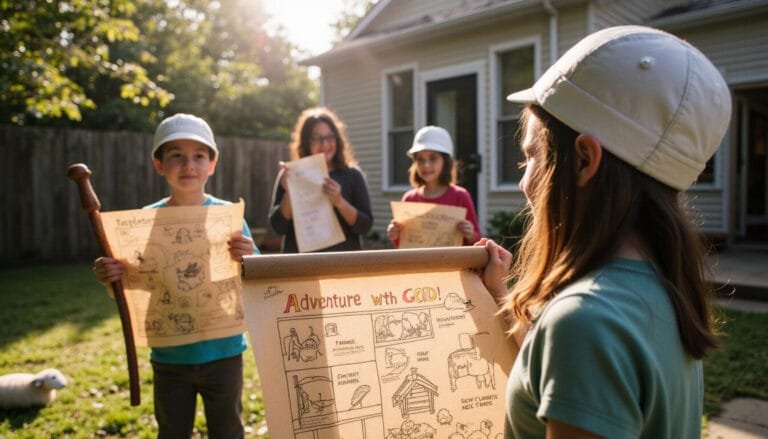
In the vibrant tapestry of childhood, one thread stands out as particularly rich and essential: spiritual exploration. As children navigate their world filled with curiosity and wonder, engaging them in faith adventures not only nurtures their developing hearts but also equips them with the tools to understand life’s bigger questions. Imagine the joy of watching a child discover a deeper connection to the universe, pondering the mysteries of creation, love, and purpose. This journey of spiritual discovery is not just an abstract concept; it’s a vital part of their emotional and intellectual growth. By guiding them through this exploration, we lay the foundation for resilient, compassionate individuals who can navigate their unique paths with confidence.
Parents and educators play a crucial role in this exciting voyage. Like trusted guides, they can create safe spaces where children feel free to ask questions, express doubts, and explore their beliefs. It’s in these nurturing environments that young minds blossom, allowing curiosity to flourish and faith to take root. As we embark on this journey together — parents, educators, and spiritual leaders — we can illuminate the way for our children, helping them uncover the beauty of their spiritual identities. Join me as we dive into practical insights and creative activities that will inspire kids to embrace their faith adventures wholeheartedly and explore the depths of their spiritual journeys!
- Understanding Spiritual Exploration
- Nature Walks as a Spiritual Adventure
- The Power of Art in Faith Exploration
- Storytelling as a Spiritual Tool
- Creating a Faith-Friendly Environment at Home
- Community Involvement in Spiritual Growth
- Overcoming Challenges in Spiritual Exploration
- Celebrating Milestones in Spiritual Journeys
- Embracing the Journey Together
Understanding Spiritual Exploration
Spiritual exploration is a beautiful journey that invites children to delve into their beliefs, values, and understanding of the world around them. It’s about nurturing their innate curiosity and allowing them to ask profound questions about life, purpose, and their connection to something greater than themselves. This process is significant for childhood development as it encourages emotional intelligence, critical thinking, and empathy. By exploring spirituality, kids can develop a sense of identity and learn to navigate their feelings and thoughts in relation to the world they inhabit.
Unlike traditional religious instruction, which often focuses on specific doctrines or practices, spiritual exploration emphasizes personal experiences and reflections. For example, instead of merely memorizing Bible verses, children might engage in discussions about how those teachings apply to their everyday lives. This approach allows them to internalize lessons rather than just recite them, fostering a deeper connection to their faith. Imagine a child pondering the parable of the Good Samaritan not just as a story from a book, but as an invitation to show kindness and compassion in real-life situations. In this way, spiritual exploration becomes a living practice that shapes their actions and attitudes.
Guiding kids on their spiritual journeys involves providing them with opportunities to explore different perspectives and express their thoughts freely. Encouraging them to share what they believe or feel about a particular spiritual topic helps them build confidence in their understanding. For instance, you might set up a cozy space at home where they can draw or write about their favorite spiritual stories or experiences. This gentle guidance fosters an environment where children feel safe to explore their spirituality without the fear of judgment, allowing them to grow into thoughtful and compassionate individuals.
Ultimately, spiritual exploration is a continuous process that evolves as children grow and develop. By creating space for this exploration — whether through meaningful conversations, hands-on activities, or simply being present during moments of wonder — parents and educators play a crucial role in shaping the spiritual lives of young hearts. Embracing this journey together not only strengthens the bond between adults and children but also enriches the entire family’s experience of faith.
Nature Walks as a Spiritual Adventure
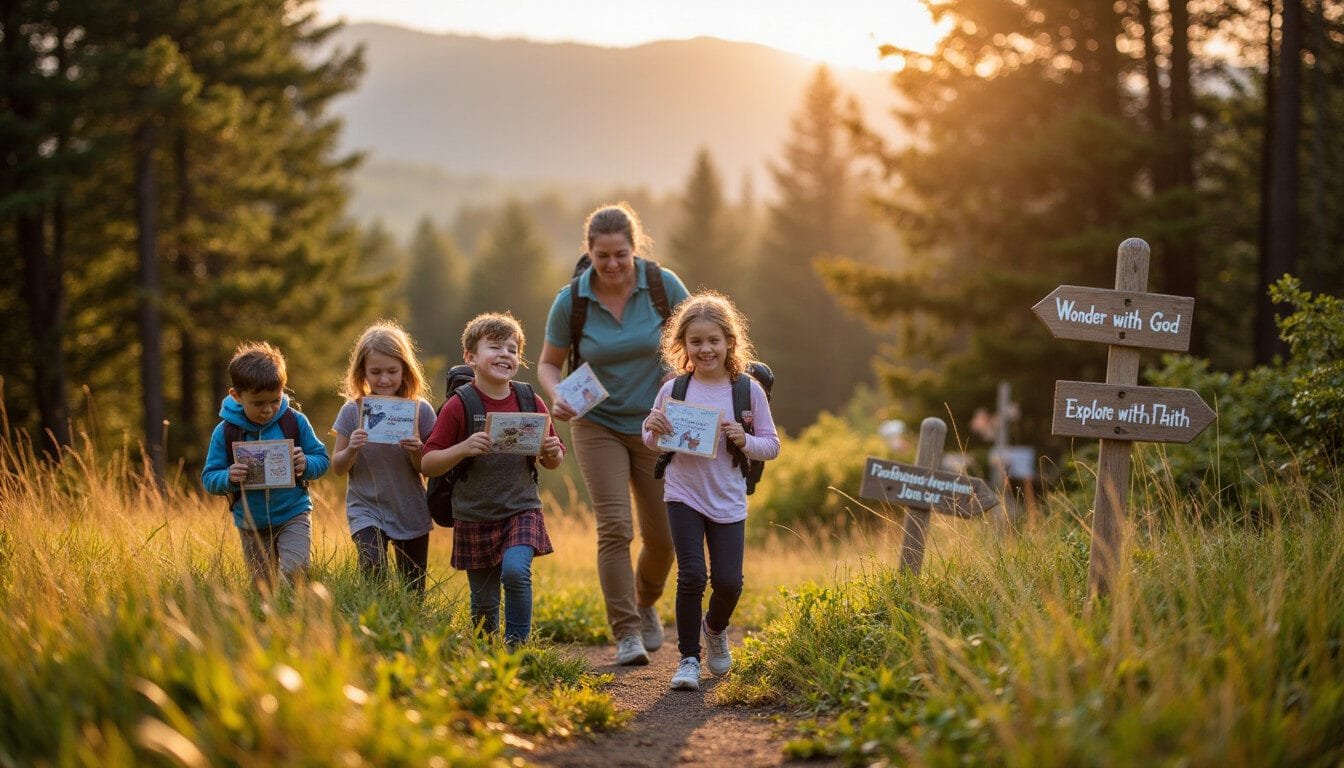
Imagine stepping outside into the fresh air, where the sun kisses your cheeks and the gentle rustle of leaves whispers secrets of creation. Nature walks offer a wonderful opportunity for children to engage in spiritual practices, allowing them to explore their personal connection with God through the beauty that surrounds them. As parents or educators, you can turn these simple outings into meaningful adventures by encouraging kids to observe and reflect on their environment. Perhaps you can challenge them to find five different shades of green in the leaves or listen closely for the sound of birds singing. Each discovery can spark a conversation about how all living things are part of God’s masterpiece.
To enhance mindfulness during these walks, consider incorporating moments of silence for reflection. Encourage the children to close their eyes, breathe deeply, and listen to the sounds around them. This practice helps cultivate awareness and gratitude, prompting them to appreciate the intricate details of creation — like the way sunlight dances on water or how a flower blooms. You might even invite them to share what they feel or think during these quiet moments, allowing their thoughts to flow freely and connecting their hearts to God in a deeper way.
Connecting natural elements to spiritual themes can also enrich these experiences. For example, while observing a sturdy tree, you could discuss how it symbolizes strength and faithfulness, much like our relationship with God. You could ask questions like, “What do you think helps this tree grow tall and strong?” or “How can we be like this tree in our own lives?” Such dialogues not only deepen understanding but also create lasting memories that children can carry with them on their spiritual journeys. Through nature walks, kids can see firsthand how every element is a reminder of God’s love and presence in their lives, nurturing their growing faith in an engaging and memorable way.
The Power of Art in Faith Exploration
Art is a beautiful language through which children can express their spiritual exploration, allowing them to delve deeper into their faith in a creative and meaningful way. Engaging in various art forms — whether it’s drawing, painting, or crafting — provides children with an opportunity to explore their thoughts and feelings about God and spirituality. For instance, a child might create a vibrant painting depicting a serene nature scene inspired by their recent nature walk, where they felt a sense of peace and connection to the Creator. This not only fosters creativity but also encourages them to reflect on the beauty of creation and their place within it.
To facilitate art projects that resonate with spiritual themes, parents and educators can start by selecting simple prompts that inspire reflection. Consider guiding kids to create a collage representing things they are grateful for, incorporating images and words that resonate with their personal experiences. You might also host themed art days — like “Creation Day” — where children can illustrate their favorite Bible stories or concepts such as love, hope, and kindness. By providing a supportive environment where they can express themselves freely, you empower them to explore their faith in ways that feel natural and fulfilling.
Sharing artistic expressions can also enhance the spiritual journey, allowing children to connect with others on a deeper level. Encourage kids to present their artwork during family gatherings or church events, explaining the meaning behind their creations. This sharing not only builds confidence but can spark conversations about faith, inviting others into their spiritual exploration. Imagine a child sharing a crafted prayer jar filled with written prayers or hopes; this can inspire other children to create their own jars, fostering a community of open-hearted sharing and support.
Incorporating art into spiritual exploration creates a vibrant tapestry of experiences that can shape a child’s understanding of faith. Just like nature walks invite us to appreciate the world around us, art invites children to express their inner thoughts and beliefs. By nurturing this creative spirit, we allow our little ones to articulate their faith journeys in unique ways, fostering a lifelong love for both God and creativity.
Storytelling as a Spiritual Tool
Storytelling is a powerful medium that transcends generations, weaving the fabric of our beliefs and values into the hearts of children. It opens a gateway to understanding faith and spirituality in a way that feels both personal and profound. As parents, educators, and spiritual leaders, we can use storytelling to illuminate biblical truths and moral lessons, making them relatable for young minds. When children hear stories about figures like David, Esther, or Jesus, they are not just absorbing facts; they are engaging with the narratives that shape their spiritual identities. These stories become mirrors reflecting their own experiences, fears, and aspirations.
To cultivate this love for storytelling, consider incorporating age-appropriate spiritual tales that resonate with children’s lives. For younger children, parables such as “The Lost Sheep” or “The Good Samaritan” offer simple yet impactful lessons about love, kindness, and forgiveness. For older kids, stories of resilience like those of Daniel in the lion’s den or the trials of Job can introduce themes of faithfulness in adversity. By selecting stories that align with their developmental stages, we can guide them to see how these age-old narratives apply to their modern-day challenges and triumphs.
Engaging children in storytelling activities can further deepen their connection to God. Encourage them to create their own stories based on biblical themes or characters, allowing their imaginations to flourish while reinforcing spiritual concepts. This could be done through puppet shows, illustrated storybooks, or even oral storytelling sessions where they recount their favorite tales. These activities not only foster creativity but also empower children to articulate their understanding of faith and spirituality in unique ways. As they share their stories with family and friends, they build a community around shared beliefs and experiences.
In essence, storytelling serves as a bridge between generations and a tool for spiritual growth. By nurturing a rich storytelling tradition, we help children explore their faith journeys with curiosity and joy. Let’s inspire them to embrace these narratives as not just stories from the past but as living expressions of God’s love that continue to guide us today.
Creating a Faith-Friendly Environment at Home
Creating a nurturing and spiritually enriching environment at home is essential for children embarking on their spiritual exploration. A faith-friendly atmosphere can be cultivated through simple yet intentional practices that invite God’s presence into everyday life. Consider setting aside a special corner of your home as a “faith space.” This could include a small table adorned with a Bible, candles, and perhaps even art supplies for those creative art activities that allow children to express their spirituality. This sacred space encourages kids to feel comfortable engaging with their faith, whether through quiet reflection or imaginative expression.
Incorporating prayer and scripture into daily routines can also foster a deeper connection to spirituality. Make mealtime or bedtime a time for family prayer, inviting everyone to share their thoughts and gratitude. You might even turn scripture reading into an interactive experience by choosing stories that resonate with your children’s lives. For example, after reading about Jesus calming the storm, you could encourage your kids to reflect on moments when they felt scared and how they found comfort in faith. By weaving these discussions into everyday life, you help normalize conversations about faith, making it a natural part of your family’s journey.
Encouraging open conversations about faith and doubts is crucial for developing a robust spiritual foundation. Create an atmosphere where children feel safe expressing their thoughts and questions, no matter how big or small. For instance, if your child wonders why bad things happen to good people, take that opportunity to explore the complexities of faith together. Use storytelling or even art activities to illustrate these themes — drawing scenes from biblical stories or crafting visual representations of their feelings can provide children with a tangible way to process their emotions. This openness not only deepens their understanding but also strengthens your family bond as you navigate these meaningful discussions together.
Ultimately, creating a faith-friendly home is about making spirituality an integral part of your family’s identity. By incorporating prayer, scripture, and thoughtful dialogue into your daily life, you nurture a rich environment where spiritual exploration can flourish. Your encouragement and guidance will empower your children to embark on their own faith journeys, equipped with the tools they need to seek understanding and connection with God.
Community Involvement in Spiritual Growth
Engaging children in community service and church activities opens a treasure trove of opportunities for spiritual growth. When kids participate in helping others, whether through food drives, visiting the elderly, or volunteering at local shelters, they learn the profound impact of compassion and empathy. These experiences not only foster a sense of responsibility but also help children connect their faith to real-world actions, reinforcing the idea that love and service are at the heart of spiritual practice. Imagine a group of children gathering to create care packages for families in need; as they work together, they not only learn the value of giving but also build lasting friendships rooted in shared purpose.
Involvement in community activities also allows kids to learn from mentors and peers who can guide them on their spiritual journeys. When children see adults living out their faith authentically, it provides a powerful example of what it means to embody one’s beliefs. Mentorship programs within church settings or community organizations can facilitate meaningful connections, allowing children to ask questions, share experiences, and grow in their understanding of spirituality. For instance, a young girl may find inspiration from a youth leader who shares stories of faith challenges and triumphs, encouraging her to embrace her own journey with confidence and curiosity.
Moreover, building a support network for families navigating spiritual exploration together is essential. Participating in community events can create a sense of belonging and connection among families, fostering open conversations about faith and personal experiences. Consider organizing family nights at your local church where everyone shares their favorite Bible stories or participates in fun activities that highlight spiritual themes. These gatherings not only strengthen familial bonds but also create an inviting atmosphere where children feel comfortable discussing their thoughts and feelings about faith, doubts, and discoveries. In essence, when families unite in their spiritual journeys, they cultivate a nurturing environment where everyone can flourish together.
Overcoming Challenges in Spiritual Exploration
As children embark on their spiritual journeys, they may encounter a variety of challenges that can hinder their exploration. One common obstacle is confusion or doubt, which can arise when kids face complex questions about faith that don’t have clear answers. For instance, a child might wonder why bad things happen to good people or struggle with the concept of God’s presence in times of distress. These moments can be overwhelming for young minds, leading to frustration or even disengagement from their spiritual exploration. It’s essential for parents and educators to recognize these feelings and create a safe space for open dialogue, where children feel comfortable expressing their thoughts and uncertainties.
To provide guidance and encouragement, parents can implement practical strategies tailored to their child’s needs. One effective approach is to engage in regular discussions about faith — perhaps during family meals or bedtime routines — where questions are welcomed and explored together. For example, if a child expresses doubts about prayer, parents could share their own experiences of prayer, emphasizing its role in cultivating a relationship with God rather than just a means to ask for things. Encouraging journaling or creative expression can also help children process their emotions and thoughts on spirituality, allowing them to articulate their journey in a way that feels personal and meaningful.
Patience and understanding are vital components in nurturing a child’s spiritual growth. Just as a seed takes time to grow into a strong tree, so too does faith develop over time. Parents should celebrate small victories and acknowledge that spiritual exploration is not always linear — it may involve steps forward and backward. For instance, if a child initially shows excitement about participating in church activities but later becomes disinterested, it’s crucial to approach the situation with empathy rather than frustration. By gently exploring what may have caused this shift, parents can help their children navigate through tough patches, reinforcing the idea that it’s okay to have ups and downs along the way.
Ultimately, overcoming challenges in spiritual exploration requires a blend of encouragement, open communication, and unwavering support. By fostering an environment where children feel safe to question and explore, parents can guide them through the intricacies of faith with love and patience. This journey may not always be easy, but with the right parenting tips and an understanding heart, families can flourish together in their spiritual adventures.
Celebrating Milestones in Spiritual Journeys
As children embark on their spiritual journeys, it’s essential to take a moment to acknowledge and celebrate the milestones they encounter along the way. These moments of discovery and growth — whether it’s their first prayer, a newfound understanding of a Bible story, or simply feeling a deeper connection to nature — are significant markers in their faith development. By recognizing these achievements, we not only honor their individual paths but also foster a sense of accomplishment and belonging. Each milestone is a stepping stone that helps children build confidence in their spiritual identity.
Creating meaningful rituals or ceremonies can be a wonderful way to commemorate these milestones. For instance, when a child memorizes a favorite scripture or completes a spiritual project, consider hosting a small family gathering where they can share what they’ve learned. You might even create a “faith wall” at home, where children can display their insights, artwork, or written reflections. This visual representation serves as a reminder of their journey and encourages ongoing exploration. A simple candle-lighting ceremony can also be an intimate way to celebrate; as each child lights their candle, they can share what they’ve discovered about themselves and God during their spiritual adventures.
Encouraging children to reflect on their personal faith journeys is equally important. Ask open-ended questions that prompt deeper thinking, such as, “What does prayer mean to you?” or “How do you feel when you help others?” These discussions not only help children articulate their thoughts and feelings but also reinforce their understanding of spirituality. Consider starting a “faith journal” where they can jot down their reflections after church services, nature walks, or creative projects. This practice nurtures their ability to look back and see how far they’ve come on their spiritual path while fostering spirituality in a tangible way.
In celebrating these milestones together, we create a rich tapestry of memories that strengthens our bonds with our children and reinforces the importance of their spiritual journey. By embracing these moments with love and intention, we guide them in recognizing that their faith is ever-evolving — a beautiful adventure worth celebrating every step of the way.
Embracing the Journey Together
As we conclude our exploration of fostering spiritual adventures for kids, it’s clear that encouraging spiritual exploration is a vital part of nurturing their growth and understanding. By engaging with children on this journey, parents and educators can help them discover the beauty of faith in everyday life, creating a solid foundation that will serve them well into adulthood. Whether through nature walks, creative art projects, or heartfelt storytelling, these experiences offer children a chance to connect deeply with their spirituality and the world around them.
So, let’s step forward together! Embrace the joy of walking alongside your children as they navigate their spiritual journeys. Remember, your involvement and encouragement can make all the difference in helping them develop a meaningful relationship with faith. Celebrate each milestone, honor their questions, and foster an environment where curiosity thrives. Together, we can guide young hearts on their faithful adventures, illuminating their paths with love, compassion, and understanding.
Affiliate Disclosure: This post may contain affiliate links. If you purchase through these links, I may earn a small commission at no extra cost to you.
Thank you for supporting Little Lights Bible Stories!