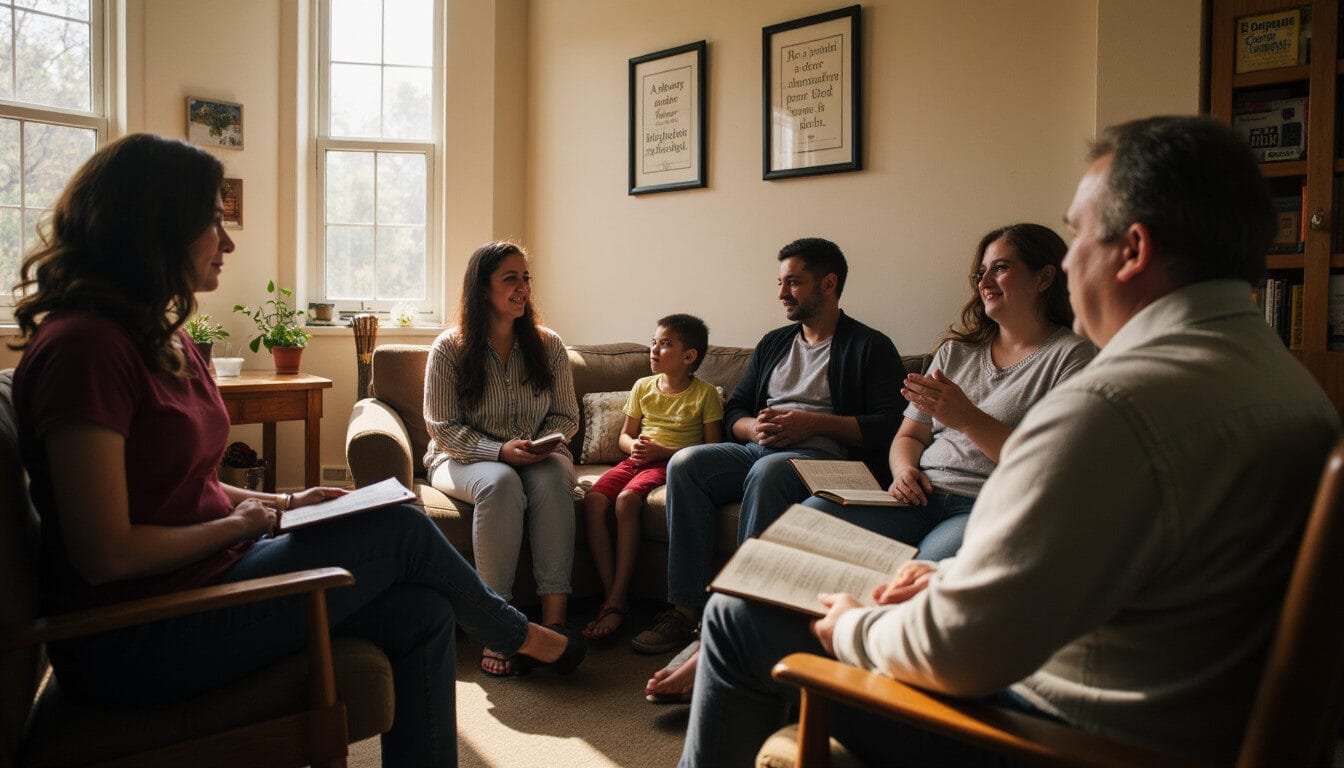
In our fast-paced world, where opinions clash and emotions often run high, navigating disagreements can feel like walking a tightrope. Yet, as Christians, we are called to engage in these moments with dignity, remembering that our responses not only reflect our character but also our faith. Disagreement is a natural part of relationships, but how we choose to handle these conflicts speaks volumes about our commitment to honor God. It’s a divine opportunity to practice grace, patience, and understanding — qualities that shine brightly in a world that sometimes feels darkened by division.
As we embark on this journey of exploring “Disagreeing with Grace,” we will uncover seven practical ways to guide our hearts and minds through conflict resolution. Each step is rooted in biblical truth, designed to inspire us to respond with love and compassion rather than frustration or resentment. Whether you’re a church leader navigating community tensions or an individual seeking personal growth, these insights will empower you to transform disagreements into opportunities for connection and deeper faith. Join me as we discover how honoring God in our interactions can lead to healing and unity — even in the most challenging conversations.
Understanding Disagreement
Disagreements are a natural part of relationships and communities, like the dissonance in a beautiful symphony. They often arise from differing perspectives, values, or experiences, and can be triggered by something as simple as a misunderstanding or as complex as deeply held beliefs. In our interactions, it’s essential to recognize that disagreement doesn’t have to lead to division; rather, it can serve as an opportunity for growth and deeper understanding if approached with dignity and respect.
Common triggers for heated moments often include stress, miscommunication, or even external pressures that influence our emotions. For instance, imagine a church committee debating the best way to reach out to the community. One member might feel passionate about traditional methods, while another advocates for new technologies. Without emotional intelligence — an awareness of our feelings and those of others — these differences could escalate into arguments, overshadowing the shared goal of service. Acknowledging these triggers allows us to prepare ourselves to respond thoughtfully rather than react impulsively.
From a biblical perspective, conflict is not inherently sinful; it’s how we navigate these disagreements that truly matters. The Scriptures remind us that “iron sharpens iron” (Proverbs 27:17), illustrating that through respectful dialogue, we can refine each other’s understanding. Jesus himself modeled how to confront conflict with grace, urging us in Matthew 18:15 to address our grievances directly and lovingly. By viewing disagreement through this lens, we can maintain respect for one another while seeking resolution, ultimately honoring God in our responses and actions.
As we embrace this understanding of disagreement, we open ourselves up to the possibility of building bridges instead of walls. Each conversation becomes an opportunity to practice patience and empathy, reflecting God’s love even when faced with differing opinions. By cultivating an attitude of grace in our interactions, we not only honor God but also enrich our relationships, allowing them to flourish amidst the challenges they may face.
Prayer as a Foundation
When the heat of disagreement begins to rise, the first step towards resolution can often be found in the quiet moments of prayer. Taking time to pause and pray allows us to calm our racing hearts and clear our minds. It’s in these sacred moments that we invite God into our conflict, seeking His wisdom and peace to guide us through the emotional storm. Imagine standing at a crossroads where two paths diverge — one leads to bitterness and division, while the other opens up to understanding and grace. Prayer serves as our map, illuminating the path God desires for us to take.
Before responding in a heated moment, we can seek divine guidance through specific prayers that align our hearts with God’s will. For instance, you might pray, “Lord, help me to see this situation through Your eyes and grant me the patience to listen deeply.” Such a prayer not only calms our emotions but also shifts our focus from winning the argument to nurturing relationships. Another powerful prayer could be, “God, please help me to articulate my thoughts with love and clarity.” This simple request creates space for a dialogue that honors both parties involved, fostering a spirit of cooperation rather than contention.
Incorporating prayer into our conflict resolution process doesn’t just benefit us individually; it also sets a tone for how we engage with others. When we approach disagreements with a prayerful heart, we model a Christ-like attitude that can inspire those around us. Perhaps you could gather with a trusted friend or family member facing a disagreement and start your conversation with a brief prayer together. This act not only invites God into the discussion but also demonstrates the importance of seeking counsel from above, reminding everyone involved that our ultimate goal is to reflect God’s love in every interaction.
Ultimately, prayer acts as both a foundation and a guiding light in times of discord. It teaches us that before we react, we should first respond to God’s call for grace and understanding. As we commit to regular prayer in conflict situations, we find ourselves better equipped to navigate challenges with dignity and respect — qualities that honor God and strengthen our relationships. So let’s embrace the transformative power of prayer, allowing it to shape our responses and lead us toward reconciliation.
Seeking Wise Counsel
When we find ourselves in the midst of a disagreement, it’s crucial to remember that we don’t have to navigate these turbulent waters alone. Involving trusted advisors can provide not only clarity but also a fresh perspective that may be missing from our view. These wise counselors could be mentors, friends, or even spiritual leaders who understand the importance of handling disagreements with dignity. They can help us sift through our emotions and thoughts, guiding us to responses that align with God’s truth rather than our impulsive reactions.
Choosing the right people for guidance is essential. Look for individuals who exhibit wisdom and grace in their own lives — those who have shown the ability to disagree without hostility and maintain relationships despite differing opinions. It’s important to select advisors who reflect your values and understand the significance of honoring God in all situations. This might mean reaching out to someone who has experience in conflict resolution or simply a friend whose calm demeanor inspires trust. By surrounding ourselves with wise counsel, we set the stage for constructive dialogue and resolution.
The beauty of seeking diverse perspectives cannot be understated, especially when it comes to resolving conflicts. Each person brings their unique experiences and insights, which can illuminate aspects of the disagreement that we might overlook. For instance, imagine a scenario where two community group leaders are at odds over a program direction. If they both involve fellow members with different backgrounds and opinions, they may discover common ground that allows them to collaborate rather than compete. This not only enriches the conversation but also reflects a commitment to unity in diversity — a testament to how honoring God can foster harmony even amid disagreement. Embracing varying viewpoints reminds us that we’re part of a larger tapestry, intricately woven together under God’s guidance.
In seeking wise counsel, we open ourselves up to learning and growth. We allow others to help us process our feelings and thoughts, ultimately leading us toward responses that embody grace and kindness. As we approach disagreements with a heart willing to listen and learn, we create opportunities for transformation — not just in our own lives, but in the lives of those around us. This journey towards reconciliation and understanding aligns beautifully with our mission to honor God through our actions, even when faced with conflict.
Keeping Focus on God’s Truth
When disagreements arise, it can be all too easy to become consumed by our emotions and opinions, losing sight of the greater truth that God calls us to uphold. Focusing on God’s truth means anchoring our conversations in biblical principles and allowing Scripture to guide our thoughts, reactions, and attitudes. It’s about recognizing that our ultimate goal is not to win an argument but to honor God and reflect His love through our interactions. In moments of tension, reminding ourselves of verses like Proverbs 15:1 — “A gentle answer turns away wrath, but a harsh word stirs up anger” — can serve as a compass, directing us toward grace in disagreements.
One practical way to maintain this focus during tough conversations is to prepare your heart with Scripture before engaging. Just as athletes train for competition, we can equip ourselves spiritually by reflecting on relevant passages that speak to conflict resolution and unity. For instance, Ephesians 4:29 encourages us to let no unwholesome talk come out of our mouths but only what is helpful for building others up according to their needs. By internalizing these truths, we create a mental toolkit that can help steer the dialogue away from hostility and toward understanding.
Additionally, incorporating prayer into our discussions can further align our hearts with God’s truth. Before diving into a potentially heated exchange, pause for a moment to invite the Holy Spirit into the conversation. Ask for wisdom and clarity, not just for yourself but for the other person as well. This practice transforms our approach from one of confrontation to collaboration, fostering an environment where both parties feel valued and heard. When we seek God’s guidance together, we open the door for reconciliation and mutual growth — essential components of our Christian witness.
Ultimately, focusing on God’s truth reshapes our perspective on disagreements. Instead of viewing them as obstacles to avoid, we can embrace them as opportunities to demonstrate Christ-like behavior. When we respond with patience, kindness, and love — even when we disagree — we reflect the very essence of our faith. By allowing Scripture to inform our reactions and attitudes, we not only honor God but also set an example for others, showcasing how grace can transform even the most challenging interactions.
Practicing Active Listening
In the midst of disagreements, it’s easy to become so focused on our own perspectives that we forget the importance of truly hearing the other person. Practicing active listening is a powerful technique that allows us to step into someone else’s shoes, fostering an environment where both parties feel valued and understood. This means not just hearing their words, but also paying attention to their tone, body language, and emotions. For instance, during a heated discussion about church leadership decisions, instead of immediately countering with your own viewpoint, take a moment to reflect back what you’ve heard: “I can see that you feel strongly about this because it affects our community’s future.” Such acknowledgment can create an atmosphere of respect, even amid disagreement.
Validating others’ feelings is a crucial component of active listening. When we take the time to recognize and affirm what the other person is experiencing, we honor their emotions, which often serves as a bridge over the chasm of conflict. Imagine you’re discussing differing views on a ministry approach; rather than dismissing your friend’s concerns as unfounded, you might say, “I understand that you’re worried about how this will impact our outreach.” By doing so, you’re not only showing empathy but also inviting a more open dialogue. When people feel heard, they are more likely to lower their defenses and engage in a constructive conversation — this is what disagreement with dignity looks like in action.
Patience plays a vital role in active listening. In our fast-paced world, we often rush through conversations, eager to make our point or reach a resolution. Yet, when we practice patience, we allow the other person to fully express themselves without interruption. This can mean sitting quietly for an extra moment after they finish speaking or resisting the urge to formulate your response while they’re still talking. Think of it as a beautiful dance of dialogue where each partner has space to move freely. Not only does this patience lead to deeper understanding, but it also reflects the love and grace that God calls us to embody in our interactions.
Ultimately, embracing active listening helps us navigate disagreements with grace and kindness. It transforms potentially divisive moments into opportunities for growth and connection. As we cultivate these skills in our conversations — whether with family, friends, or fellow believers — we not only honor those around us but also honor God by reflecting His love in our actions. Let us strive to be listeners first and speakers second, allowing grace to guide our every interaction.
Responding with Grace and Kindness
When disagreements arise, it’s easy to let our emotions take the lead, but responding with grace and kindness can transform a heated moment into an opportunity for growth. Articulating your viewpoint without hostility requires intentionality; it means choosing words that reflect understanding rather than frustration. Instead of launching into a defensive argument, try using “I” statements, such as “I feel…” or “I believe…,” which focus on your personal perspective rather than placing blame. For instance, instead of saying, “You always ignore my ideas,” you might say, “I feel overlooked when my suggestions aren’t considered.” This approach not only softens the conversation but also encourages a more open exchange of ideas.
The power of kindness in these moments cannot be overstated. Kindness is like a gentle balm that soothes frayed nerves and paves the way for constructive dialogue. When we respond to conflict with kindness, we create an environment where both parties feel respected and valued. For example, if someone challenges your opinion in a group discussion, rather than reacting defensively, you could acknowledge their perspective by saying, “That’s an interesting point! I hadn’t thought of it that way. Can you share more about what led you to that conclusion?” This simple act of kindness not only diffuses tension but also fosters mutual respect and understanding.
Consider a scenario where two friends disagree on how to approach a community service project. Instead of allowing frustration to brew, one friend might say, “I appreciate your passion for this project; let’s brainstorm together on how we can merge our ideas.” By responding graciously and inviting collaboration, they not only honor each other’s opinions but also demonstrate a commitment to unity. Such responses reinforce the notion that our differences can be a source of strength rather than division.
Ultimately, responding with grace and kindness is about reflecting God’s love in our interactions. When we choose our words thoughtfully and approach disagreements with compassion, we honor God and serve as a witness to those around us. As we practice these principles, we become conduits of grace, demonstrating that even in conflict, there is room for understanding and growth. So the next time you find yourself at odds with someone, remember the transformative power of kindness — it may very well turn a moment of discord into a bridge for deeper connection.
Building Bridges, Not Walls
In a world where division often feels like the default response to disagreement, it’s crucial to intentionally cultivate an environment of understanding. Building bridges rather than walls requires us to embrace empathy and actively seek common ground, even when our opinions differ. Imagine a community gathering where individuals from various backgrounds come together to discuss their differing views on a local issue. Instead of shouting over one another or retreating into polarized camps, they choose to listen openly and share their perspectives respectfully. This approach not only honors God by embodying His love but also fosters a spirit of unity that can transform conflict into collaboration.
Empathy plays a pivotal role in conflict resolution, allowing us to step into the shoes of others and see the world through their eyes. When we practice empathy, we create space for vulnerability and understanding, which can break down barriers that often lead to strife. For instance, during a family disagreement about holiday traditions, one member might feel strongly about maintaining long-standing customs while another yearns for innovation. By genuinely listening and acknowledging each other’s feelings, they can brainstorm a new tradition that honors both perspectives. This willingness to empathize transforms what could be a contentious discussion into an opportunity for growth and connection.
The long-term benefits of maintaining relationships post-disagreement are profound. When we prioritize building bridges, we cultivate a community rooted in trust and respect. Consider a church group that encounters differing opinions on outreach strategies. Instead of allowing disagreements to fracture the team, they choose to engage in open dialogue, prayerfully considering each viewpoint. As they navigate these discussions with grace and kindness, they emerge not only with a clearer plan but also with strengthened relationships that empower them to serve together more effectively. In essence, every bridge we build today lays the foundation for deeper connections tomorrow, showcasing how disagreement with dignity can honor God and enrich our lives.
Ultimately, fostering understanding instead of division is a powerful testament to our faith. As we commit to building bridges in our interactions — whether at home, in our communities, or within our churches — we reflect Christ’s love and grace to those around us. Remember, every act of kindness and every empathetic conversation is an opportunity to shine His light in a world that desperately needs it. Let’s strive to create connections that honor God, knowing that through our efforts, we can cultivate a culture of peace and reconciliation.
Embracing Grace in Every Disagreement
As we reflect on the journey of navigating disagreements with dignity, it’s essential to remember that our responses can be a powerful testament to our faith. Each interaction is an opportunity to honor God by embodying His love and grace, even when faced with challenging moments. By applying the principles we’ve explored — prayer, seeking wise counsel, focusing on God’s truth, practicing active listening, responding with kindness, and building bridges — we can transform conflicts into meaningful conversations that strengthen our relationships and deepen our spiritual walk.
Let us carry these lessons into our daily lives, knowing that grace-filled interactions not only enrich our personal growth but also serve as a beacon of hope to those around us. When we choose to engage in disagreement with dignity, we reflect Christ’s love and invite others to experience the beauty of reconciliation. Together, let us strive to be instruments of peace and understanding in a world that desperately needs it, shining brightly as witnesses to the power of God’s grace.
Affiliate Disclosure: This post may contain affiliate links. If you purchase through these links, I may earn a small commission at no extra cost to you.
Thank you for supporting Little Lights Bible Stories!