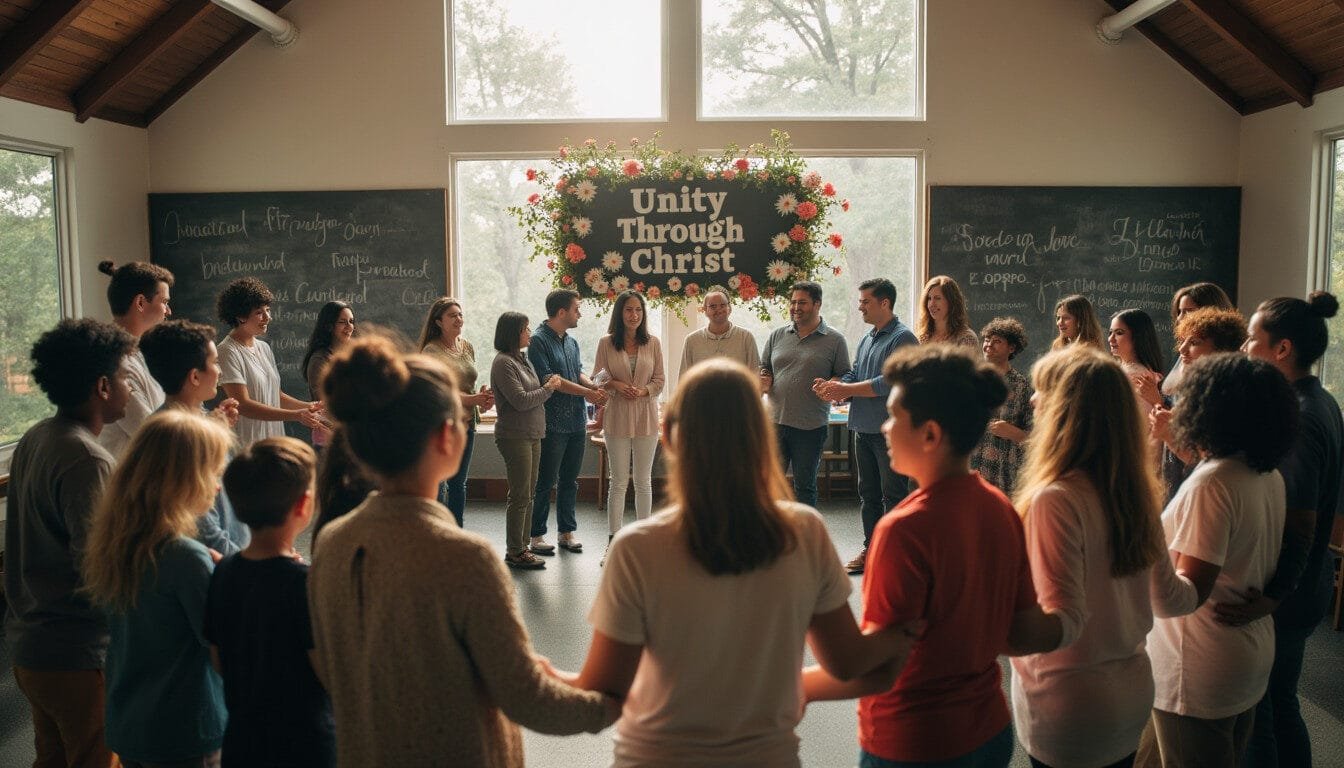
In a world that often feels fractured and divided, the call for unity within Christian communities has never been more pressing. As followers of Christ, we are not just invited to believe in His teachings but also to embody them in our relationships with one another. The beauty of our faith lies in its power to transcend differences, to weave a tapestry of love and understanding that can bridge even the widest divides. Imagine a community where hearts connect, where disagreements are met with grace, and where the spirit of reconciliation flourishes — this is the vision we seek as we explore the transformative journey of building bridges through faith.
Unity isn’t simply a lofty ideal; it’s a divine mandate that echoes throughout Scripture. From the early church’s struggles to find common ground amidst diverse backgrounds to Jesus’ prayer for oneness among His followers, the Bible offers rich narratives and profound truths that inspire us to embrace our shared faith. In the pages that follow, we will dive into practical strategies for resolving disagreements and cultivating an environment where every voice is cherished. Together, let’s uncover how God’s love can empower us to rise above conflict and foster a vibrant community grounded in compassion and acceptance. Join me on this inspiring exploration of what it truly means to find unity through Christ!
The Biblical Foundation for Unity
In our journey to foster community harmony, we find a profound foundation in Scripture that encourages unity among believers. One of the most powerful verses that highlights this call is found in Ephesians 4:3, where Paul urges us to “make every effort to keep the unity of the Spirit through the bond of peace.” This directive isn’t just a suggestion; it’s a heartfelt reminder that our shared faith in Christ is a bridge, inviting us to rise above our differences and embrace one another as family. The beauty of this passage lies in its emphasis on effort — unity is not always easy, but it is an essential pursuit worthy of our dedication.
Throughout the Bible, we see numerous examples of individuals who overcame division through their faith in God. Take Peter and Paul, for instance. Initially, these two pillars of the early church had significant disagreements regarding the inclusion of Gentiles in the faith community. Yet, through prayerful reflection and divine intervention, they ultimately recognized that the Gospel transcends cultural and ethnic boundaries. Their reconciliation serves as a powerful testament to how building bridges through faith can lead to a richer, more diverse community that reflects God’s love and grace.
Another inspiring figure is the Samaritan woman at the well (John 4:1-42). In her encounter with Jesus, we witness not only a breaking of social norms but also a beautiful lesson in unity. Despite the deep-seated animosity between Jews and Samaritans, Jesus chose to engage with her, demonstrating that true connection can flourish even amidst historical divides. Her transformation from an outcast to an evangelist illustrates that when we prioritize understanding and compassion over prejudice, we can unite around our shared humanity and purpose.
As we delve deeper into these biblical narratives, it becomes clear that unity is woven throughout the fabric of Scripture. It calls us to recognize that our differences are not barriers but opportunities for growth and understanding. By embracing this divine mandate, we can cultivate communities where love triumphs over discord, reflecting Christ’s heart for all people. Let us take inspiration from these stories as we strive to build bridges through faith in our own communities, fostering an environment where everyone feels valued and included.
Understanding Disagreements
Within our church communities, disagreements can often arise from a variety of sources. Sometimes it’s a clash of opinions on doctrine or church governance; other times, it may stem from cultural differences or generational divides. For instance, consider the story of Paul and Barnabas in Acts 15. Their sharp disagreement over John Mark’s readiness to join them on their missionary journey serves as a biblical example of how even the most devoted believers can find themselves at odds. Yet, this conflict didn’t sever their relationship; instead, it led to the formation of new partnerships that furthered the mission of spreading the Gospel.
Unresolved disagreements can have a ripple effect on community health, creating an environment of tension and mistrust. Imagine a family gathering where two relatives refuse to speak to each other — this discomfort can overshadow the joy of being together. In a similar way, unresolved conflicts within a church can lead to division, discouraging congregants from fully engaging in worship and fellowship. When members harbor resentment or feel unheard, it can stifle the very spirit of unity that Christ calls us to embody.
Moreover, unresolved disagreements can hinder our collective witness to the world. Jesus emphasized that our love for one another would be the hallmark of His disciples (John 13:35). If we allow disputes to fester, we risk portraying a fragmented image of Christ’s love to those outside the church. When conflicts remain unaddressed, they can morph into larger issues that distract us from our shared mission and purpose. This is why understanding and navigating disagreements with grace is essential for maintaining a healthy and thriving community centered on Christ’s teachings.
In essence, acknowledging that conflicts are a natural part of any community is the first step toward resolution. By embracing open communication and seeking biblical solutions, we can foster an atmosphere where love prevails over discord. As we learn from our biblical examples, such as Paul and Barnabas, it is possible to disagree while still working towards a common goal — spreading the love of Christ in all we do.
Prioritizing Shared Faith
In a world filled with diverse opinions and differing backgrounds, the heart of unity lies in our shared faith. When we prioritize our common beliefs, we create a strong foundation that can help us navigate through disagreements and misunderstandings. Just as Paul reminded the early church in Ephesians 4:3 to “make every effort to keep the unity of the Spirit through the bond of peace,” we too must recognize that our faith in Christ is the thread that weaves us together, even when our views may diverge. By focusing on what unites us rather than what divides us, we can truly begin to build bridges through faith.
Consider a church community where members come from various walks of life — different cultures, age groups, and socio-economic backgrounds. While these differences can sometimes lead to conflict, they can also enrich the church experience. For instance, when congregants gather for a potluck dinner and share their favorite dishes from their heritage, they not only celebrate their diversity but also engage in conversations about their shared love for Jesus. This simple act fosters understanding and compassion, reminding everyone that beneath the surface differences lies a common purpose: to glorify God and support one another in faith.
Focusing on our shared beliefs offers us a powerful tool for reconciliation. It invites us to look beyond our personal preferences and embrace a collective identity as followers of Christ. When we gather to pray, worship, or serve together, we cultivate an environment where love thrives over discord. This atmosphere of unity nurtures empathy and kindness, making it easier to address conflicts with grace. As we encourage one another to focus on Scripture and the teachings of Christ, we can see how His message of love transcends our differences and calls us to a higher standard of community.
Ultimately, prioritizing our shared faith helps us to recognize that we are all part of one body — the body of Christ. Each member brings unique gifts and perspectives that contribute to the whole. By celebrating these contributions while grounding ourselves in our common beliefs, we can forge deeper connections and create a welcoming space where everyone feels valued and heard. In this way, focusing on our faith not only lays the groundwork for resolving differences but also inspires us to actively pursue unity in all aspects of our lives.
Practical Strategies for Building Bridges
When it comes to fostering Christian unity, initiating conversations focused on reconciliation is a vital first step. One effective strategy is to create a safe space where individuals feel comfortable sharing their thoughts and feelings. This could be as simple as organizing small group discussions after a service or hosting a community meal where everyone is encouraged to share their perspectives. By setting a tone of openness and respect, you invite others to engage in meaningful dialogue without fear of judgment. Remember, the goal is not to win an argument but to understand each other better, allowing God’s love to shine through in every conversation.
Active listening is another powerful tool in bridging divides. This means not just hearing the words spoken but truly engaging with the speaker’s message. For example, when someone shares a concern or disagreement, try reflecting back what you’ve heard before responding. You might say, “It sounds like you’re feeling frustrated because…” This technique not only validates the speaker’s feelings but also demonstrates empathy, helping to create a connection between individuals. In our bustling lives, it’s easy to rush through conversations; however, taking the time to listen actively can transform misunderstandings into opportunities for growth and healing.
Moreover, practicing empathy involves stepping into another person’s shoes and viewing the situation from their perspective. Imagine attending a church meeting where differing opinions arise over a specific ministry approach. Instead of immediately defending your position, take a moment to ask questions that reveal underlying motivations and fears. “What do you hope to achieve with this approach?” or “Can you share your experiences that led you to feel this way?” Such inquiries pave the way for deeper understanding and can shift the focus from division to shared values and goals. By prioritizing empathy in our discussions, we mirror Christ’s love and compassion, fostering an environment ripe for reconciliation.
Ultimately, these practical strategies — creating safe spaces for conversation and practicing active listening and empathy — are essential in building bridges within our communities. As we lean into these practices, we open pathways to Christian unity that reflect the heart of Christ, bringing together diverse voices into a harmonious chorus of faith and love. Let us embark on this journey together, committed to nurturing relationships that honor our differences while celebrating our shared belief in Him.
Testimonies of Transformation
In the heart of a bustling city, two congregations that once saw each other as rivals found themselves on a remarkable journey toward unity. The first church, known for its vibrant youth programs, often clashed with a neighboring church that focused heavily on traditional worship styles. Tensions ran high, with members exchanging harsh words and reinforcing their differences. However, everything began to change when both churches realized they shared a common mission: serving their community. Through a series of joint events, they began to build bridges through faith. As they worked together to organize food drives and community clean-up days, members discovered one another’s strengths and stories. This collaboration not only softened hearts but also opened the door for genuine friendships to blossom, proving that faith can transcend even the deepest divides.
Another powerful testament comes from a small group of women who met weekly for a Bible study. Initially, their discussions were often fraught with disagreement, especially on issues such as parenting styles and doctrinal beliefs. Frustrated by the tension, they decided to implement conflict resolution strategies rooted in prayer and active listening. Each week, they would begin their gatherings by seeking God’s guidance, asking for wisdom and compassion as they approached challenging topics. Over time, this practice transformed their interactions. Instead of focusing solely on their differences, they learned to appreciate the unique perspectives each woman brought to the table. Their commitment to fostering an environment of acceptance and understanding allowed them to share their vulnerabilities, ultimately strengthening their bond in Christ.
These stories remind us that transformation is possible when we prioritize our shared faith over our disagreements. The journey toward unity isn’t always easy; it requires intentional effort and a willingness to embrace vulnerability. But as we witness the healing power of reconciliation within our communities, we’re encouraged to continue pursuing unity through Christ. When individuals and groups step beyond their comfort zones and engage in open dialogue grounded in faith, miracles happen. Let us carry these testimonies in our hearts as we strive to be instruments of peace and advocates for love within our own circles.
Creating a Culture of Acceptance
In our journey to bridge divides, creating a culture of acceptance within the church is essential. A welcoming atmosphere encourages individuals from all walks of life to feel valued and understood, fostering deeper connections among congregants. By embracing inclusivity, we can reflect the heart of Christ, who welcomed everyone regardless of their background or circumstances. Imagine a church where every voice is heard, every story is honored, and every difference celebrated. Such an environment not only enriches our faith community but also mirrors the diverse body of Christ, as outlined in 1 Corinthians 12:12-14, where each member plays a vital role.
One effective way to cultivate this spirit of acceptance is through intentional conversations that celebrate differences. Hosting events focused on sharing testimonies of faith can create powerful opportunities for connection. For instance, consider organizing a “Story Night” where congregants are invited to share their personal experiences and how their unique journeys have shaped their faith. This not only helps break down barriers but also allows individuals to see the beauty in diversity. As stories unfold, hearts soften, and understanding deepens, leading to a stronger sense of community.
Moreover, it’s essential to encourage open dialogue about differing perspectives within the church. Creating small groups or discussion forums can serve as safe spaces for congregants to express their thoughts and feelings without fear of judgment. By actively listening to one another and practicing empathy, we can dismantle misconceptions and build bridges over misunderstandings. This approach aligns with Proverbs 18:13, which reminds us that “to answer before listening — that is folly and shame.” When we prioritize understanding over being understood, we nurture an environment where acceptance flourishes.
Ultimately, fostering a culture of acceptance involves embracing our shared humanity and recognizing that our differences can be a source of strength rather than division. As we strive to model Christ’s love and acceptance in our churches, let us remember that each person brings a unique piece of the puzzle. Together, as we weave these pieces into a beautiful tapestry of faith, we create a community that truly reflects the heart of God — a place where everyone belongs.
The Role of Church Leaders in Bridging Divides
In the journey of building bridges through faith, church leaders play a pivotal role in fostering unity and collaboration within their communities. Their influence extends beyond the pulpit; it encompasses the very fabric of relationships among congregants. To effectively promote unity, leaders can employ strategies that encourage open dialogue and inclusivity. For instance, organizing regular community forums where members can share their thoughts and concerns helps to create a safe space for differing opinions. These gatherings not only allow for the airing of grievances but also cultivate understanding, setting a tone that values every voice.
Modeling reconciliation through action is equally essential for church leaders. When they actively demonstrate forgiveness and humility, they inspire their congregations to do the same. Imagine a pastor who takes the time to personally reconcile with a member after a disagreement, publicly acknowledging the importance of unity in Christ. This kind of leadership sets an example that resonates deeply, showing that healing relationships is possible and necessary for strong communities. By embodying these values, leaders can transform conflict into opportunities for growth, reinforcing the message that love triumphs over division.
Moreover, leaders should prioritize creating teams that reflect diversity within their church. By including individuals from various backgrounds in decision-making processes, they not only empower these voices but also enrich the church’s ministry. This collaborative approach fosters an environment where differences are celebrated rather than feared, paving the way for deeper connections among members. When church leaders take intentional steps toward inclusion, they are not just talking about unity — they are actively building bridges through faith that strengthen the entire community.
Ultimately, the commitment of church leaders to promote unity and model reconciliation serves as a powerful testament to Christ’s love. By leading with empathy and grace, they cultivate a culture where everyone feels valued and accepted, regardless of their differences. As these leaders guide their congregations toward harmony, they remind us all that through Christ, we can overcome any divide and work together to build strong, loving communities that reflect God’s heart for unity.
Ongoing Commitment to Unity
As we journey through our faith, it’s essential to recognize that unity is not a one-time achievement but an ongoing commitment that requires our attention and effort. Just like a garden, our relationships within the church need regular nurturing to flourish. It’s easy to come together during special events or when faced with a common challenge, but true unity involves the daily practice of reconciliation and harmony. This commitment to one another fosters a vibrant community where love and understanding thrive, allowing us to prioritize common ground over differences.
Continuous dialogue is key to maintaining this unity. Just as Jesus often engaged in conversation with those around Him, asking questions and listening attentively, we too must create spaces where open communication can occur. Imagine a church that regularly hosts “Unity Circles,” where members gather to share their thoughts, feelings, and experiences without fear of judgment. These gatherings could serve as a foundation for building deeper connections, as individuals learn to appreciate diverse perspectives and find the threads of shared faith that weave us together. As we listen to each other’s stories, we often discover that our struggles are not so different after all, allowing us to bridge gaps that once seemed insurmountable.
Furthermore, relationship-building goes hand in hand with our commitment to unity. By investing time in one another outside of structured church activities — be it through casual coffee chats, service projects, or family gatherings — we create a culture of acceptance and trust. Consider the story of a small church that faced divisions due to differing opinions on community outreach methods. Instead of allowing these disagreements to fester, church members decided to host joint volunteer days where they could serve the community together. Through shared experiences, they found common ground and strengthened their relationships, transforming conflict into collaboration.
Ultimately, sustaining unity requires diligence and intentionality. By prioritizing common ground through continuous dialogue and relationship-building, we cultivate an environment where love prevails over discord. As we commit ourselves to this mission, let us remember that every effort counts; even the smallest acts of kindness can pave the way for greater understanding and reconciliation in our faith communities. Together, we can embrace the beauty of diversity while standing united in Christ.
Embracing Our Call to Unity
As we reflect on our journey through the vital themes of this article, it becomes clear that unity is not just a lofty ideal — it’s a biblical mandate. We’ve explored the foundation of our shared faith, the power of understanding and embracing our differences, and the practical strategies we can implement to foster reconciliation within our communities. Each testimony of transformation reminds us that when we lean into Christ, we unlock the potential for healing and growth that transcends our divides. Building bridges through faith is not merely an option; it is a calling we must embrace with open hearts.
So, dear friends, let us take these insights to heart and actively pursue unity in our churches and communities. Together, let’s commit to creating spaces where love triumphs over discord, where acceptance flourishes, and where every voice is heard. As we step out in faith, may we be beacons of hope, drawing others into the warmth of Christ’s love. Remember, it only takes one willing heart to ignite a movement of reconciliation — let that heart be yours today!
Affiliate Disclosure: This post may contain affiliate links. If you purchase through these links, I may earn a small commission at no extra cost to you.
Thank you for supporting Little Lights Bible Stories!