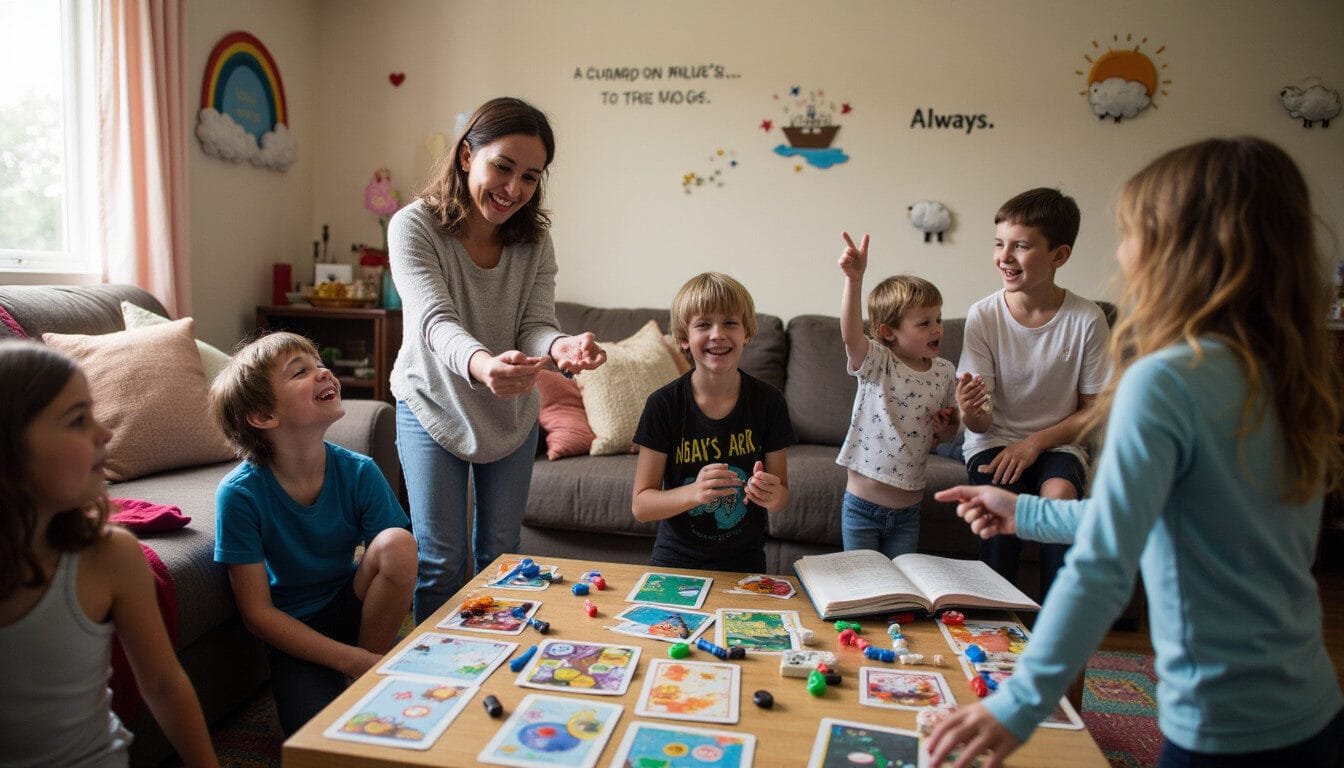
In a world filled with distractions, nurturing a child’s spiritual growth can feel like a daunting task. However, daily devotions are essential in laying the foundation for a lifelong faith journey. These moments of reflection and connection not only deepen a child’s understanding of biblical truths but also help cultivate a sense of belonging within the family and community. When children engage in daily devotions, they learn to explore their faith in a way that resonates with their hearts and minds, setting the stage for a vibrant relationship with God.
But how do we make these sacred moments come alive? Enter the power of play! Games for kids are not just about fun; they are dynamic tools that transform spiritual learning into an engaging adventure. By incorporating playful activities into daily devotions, we invite children to explore biblical concepts through creativity and laughter. Whether it’s acting out stories from Scripture or testing their knowledge with trivia, play encourages curiosity and fosters meaningful conversations about faith. In this article, we’ll uncover seven delightful games designed to elevate your family’s devotion time, ensuring that learning about God is as joyful as it is enriching. Get ready to turn your daily devotions into cherished moments of connection and discovery!
- The Benefits of Incorporating Games into Daily Devotions
- Bible Trivia: A Fun Way to Test Knowledge
- Charades: Acting Out Bible Stories
- Board Games with a Spiritual Twist
- Creative Crafts as a Game Alternative
- Outdoor Games to Inspire Faith Conversations
- Making It Routine: Establishing a Game Night
- Adapting Games for Different Age Groups
- Embracing Playful Faith Together
The Benefits of Incorporating Games into Daily Devotions
Incorporating games into daily devotions offers a delightful way to enhance children’s understanding of biblical concepts. When children engage in activities like Bible trivia or charades, they interact with scripture in a hands-on manner. This interactive learning helps them grasp complex ideas while fostering a deeper connection to their faith. For example, when a child acts out the story of David and Goliath in charades, they not only remember the key elements of the story but also internalize its lessons about courage and faith. Such experiences make the Bible come alive, turning abstract teachings into relatable stories that resonate with their young hearts.
Moreover, games create a positive and enjoyable atmosphere for spiritual discussions. The laughter and excitement that arise during playtime naturally break down barriers, making children feel more comfortable sharing their thoughts and questions about God. Picture a family gathered around the table, engaged in a spirited game of Bible trivia, where each correct answer sparks lively conversations about Jesus’ parables or the miracles He performed. This dynamic setting encourages open dialogue, allowing kids to explore their beliefs in a relaxed environment, ultimately strengthening their relationship with God and one another.
Teamwork is another invaluable benefit of integrating games into daily devotions. As children collaborate to solve challenges or compete in friendly competitions, they learn essential life skills such as communication, patience, and empathy. Whether they are working together to build a custom board game centered on their favorite scripture or cheering each other on during an outdoor game, these shared experiences cultivate a sense of community among participants. They not only bond over their love for God but also develop lasting friendships rooted in faith, reinforcing the importance of fellowship within their spiritual journey.
Ultimately, incorporating games into daily devotions transforms routine moments into vibrant opportunities for growth. By blending fun and faith, parents, educators, and caregivers can nurture a love for learning about God that will stay with children throughout their lives. So gather your family or group, and let the games begin — there’s no better way to ignite young hearts with the joy of spiritual discovery!
Bible Trivia: A Fun Way to Test Knowledge
Bible trivia is an exciting and interactive way to engage children in spiritual themes while testing their knowledge of scripture. To create engaging trivia questions, start by selecting key stories, characters, or lessons from the Bible that resonate with your group. For younger kids, you might ask simple questions like, “Who built the ark?” (Answer: Noah) or “What did Jesus turn into wine at a wedding?” (Answer: Water). For older kids, consider more challenging inquiries, such as “What are the names of the first two disciples?” (Answer: Peter and Andrew) or “What is the shortest verse in the Bible?” (Answer: John 11:35). Crafting questions that vary in difficulty ensures that everyone can participate and learn, making it both fun and educational.
To elevate the competitive spirit, consider organizing the trivia game into teams. This fosters teamwork and encourages children to collaborate and discuss their answers, deepening their understanding of the material. Incorporate a points system where teams earn points for correct answers, and feel free to add a timer for extra excitement! You can even mix in some fun physical challenges — like running to a designated spot to answer a question — to keep energy levels high. Remember, the goal is not just to win but to cultivate a love for learning about God’s word in a lively setting.
To motivate participation further, consider incorporating prizes or rewards. These could be small tokens like stickers with Bible verses, bookmarks, or even a special treat for the winning team. A fun idea could be to offer “bonus points” for sharing what they learned during the game, reinforcing the spiritual themes covered. This not only makes the trivia game more competitive but also encourages children to reflect on their faith in a meaningful way. The joy of winning a small prize can create lasting memories and inspire a sense of achievement, making them eager to learn more about their faith through future trivia sessions.
By weaving together knowledge and playfulness, Bible trivia becomes an engaging tool for nurturing spiritual growth. It helps instill biblical truths in children’s hearts while fostering an environment where learning about God’s word is enjoyable. So gather your family or class, set up those trivia questions, and let the laughter and learning begin!
Charades: Acting Out Bible Stories
Charades is a fantastic way to bring the stories of the Bible to life while engaging kids in daily devotions. Start by selecting a range of stories and characters that children can easily recognize and act out, such as Noah building the ark, David defeating Goliath, or Jesus calming the storm. You can even involve the children in this process — ask them to suggest their favorite stories or characters. This not only empowers them but also ensures that everyone is excited about the game. Keep a list of selected stories handy, so you can rotate them and keep the game fresh for each session.
Encouraging creativity and expression is key to making charades enjoyable and meaningful. As players take turns acting out their chosen story or character, remind them to use gestures, facial expressions, and even sounds to convey their message without speaking. This opens up an opportunity for discussion afterward: What did they think about how their friend portrayed the story? How do those actions relate to the lesson learned? The beauty of charades lies in its ability to spark conversations about faith in a fun and interactive manner, allowing kids to reflect on the significance of biblical events.
To make charades accessible for different age groups, consider modifying the rules or the complexity of the stories involved. For younger children, you might want to limit the choices to more straightforward narratives with clear actions, like Moses parting the Red Sea or Jonah being swallowed by a whale. For older kids, challenge them by introducing less familiar stories or characters and encouraging them to think outside the box with their interpretations. You can also form mixed-age teams to foster collaboration; this allows younger players to learn from their older peers while still feeling included in the fun.
Incorporating charades into your daily devotions not only reinforces biblical lessons but also nurtures creativity and teamwork among participants. It transforms learning into a lively and memorable experience, where laughter and spiritual growth go hand in hand. So gather your family or group, pick your favorite stories, and let the acting begin!
Board Games with a Spiritual Twist
When it comes to blending fun and faith, board games can be a delightful way to engage children in spiritual learning while creating memorable family moments. Many existing board games focus on biblical themes, offering both entertainment and an opportunity to deepen understanding of scripture. For instance, “Bible Trivia” is a fantastic choice that challenges players’ knowledge of the Bible through exciting questions. This game not only sparks curiosity but also encourages friendly competition, making it an enjoyable way for families to learn together.
If you’re feeling creative, consider crafting your own custom board game centered around your favorite Bible stories or lessons. You could design a “Journey Through the Bible” game where players move along a path representing significant events from Genesis to Revelation. Each space could prompt discussions about key figures or moral lessons, like forgiveness or love. By incorporating elements like dice rolls or card draws that reveal questions or challenges, you make the experience interactive and engaging for all ages. Plus, your unique creations will foster a sense of ownership and pride among the players.
As you play these board games, it’s essential to weave in conversations about God and faith. Encourage players to share their thoughts on the lessons highlighted in the game, creating an atmosphere of reflection and discussion. For example, after answering a trivia question correctly, invite players to elaborate on how that story might apply to their lives today. This approach not only reinforces what they’ve learned but also builds a deeper connection to their faith as they relate it to their personal experiences.
Incorporating board games into your daily devotions can transform routine learning into a joyful celebration of faith. The laughter and camaraderie shared during these gaming sessions create lasting memories while nurturing spiritual growth. So gather around the table, roll the dice, and let your family embark on a fun-filled journey that strengthens both their knowledge of scripture and their bond with one another!
Creative Crafts as a Game Alternative
Crafting offers a delightful avenue for engaging children in daily devotions, blending creativity with spiritual learning. By incorporating faith-based themes into hands-on activities, you can help children connect the lessons of the Bible with their own lives. For instance, creating a “Prayer Jar” can be a wonderful way to encourage daily prayers. Children can decorate their jars with stickers and paint, and then write down their prayer requests on colorful slips of paper to fill the jar. This craft not only serves as a reminder of their conversations with God but also fosters a sense of community as family members share their requests and pray for one another.
To turn craft-making into an interactive game, consider organizing a “Craft-Off” where each participant is given a specific theme related to a Bible story or principle. For example, if the theme is “Creation,” provide materials to create representations of different elements like animals, plants, or even the sun and moon. Set a timer and let the creativity flow! After the time is up, everyone can present their creations and explain how they relate to the scripture. Not only does this promote fun competition, but it also deepens understanding as children articulate their thoughts about God’s creation.
The benefits of hands-on activities in faith-based activities are numerous. Crafting allows children to explore biblical concepts in a tactile way, which can enhance retention and comprehension. While working with their hands, kids often find it easier to express their feelings and thoughts about faith, leading to meaningful discussions that might not occur during traditional study sessions. Moreover, these shared experiences create lasting memories that reinforce spiritual lessons — much like building a beautiful piece of art together, the process and the final product become cherished symbols of faith in action.
Incorporating crafts into your daily devotions can transform routine learning into memorable adventures. Whether it’s making friendship bracelets to symbolize the bonds we have as believers or creating a wall mural that represents God’s promises, the possibilities are endless. So gather your supplies, unleash your imagination, and let your family’s faith journey flourish through the joy of crafting!
Outdoor Games to Inspire Faith Conversations
Taking your daily devotions outside can turn a simple lesson into an adventure filled with laughter, learning, and divine connection. Nature itself is a beautiful reminder of God’s creation, making it the perfect backdrop for faith conversations. Consider organizing a “Creation Scavenger Hunt,” where children can explore the great outdoors while searching for items that represent various aspects of God’s creation — like leaves, rocks, or flowers. As they discover each item, take a moment to discuss the biblical significance behind it, such as how God created the world in six days and rested on the seventh, instilling in them both a sense of wonder and reverence for their surroundings.
Team-building games can also foster not only cooperation but spiritual reflections that resonate with biblical teachings. One engaging activity is “Faith Relay Races,” where children can compete in teams while completing tasks that relate to Bible stories. For example, they might have to carry a “stone” (a small ball) representing David’s slingshot or navigate an obstacle course that symbolizes the journey of the Israelites through the wilderness. These playful challenges encourage teamwork and communication while providing opportunities to discuss the lessons behind each story, reinforcing the idea that God is with us in our struggles and triumphs.
Incorporating outdoor activities into your devotional time also allows you to tap into the natural curiosity of children. When kids are active and engaged in their environment, they often feel more open to discussing profound concepts. Have an “Outdoor Prayer Circle” where everyone can share their thoughts and prayers inspired by what they see around them — like thanking God for the beauty of a sunset or praying for the creatures living in their backyard. This approach not only deepens their connection with nature but also nurtures a heartfelt dialogue about faith and gratitude.
By embracing the outdoors for your daily devotions, you create a memorable experience that encourages children to engage with their surroundings and reflect on God’s presence in every aspect of life. The sights, sounds, and feelings of nature serve as powerful reminders of His love and creativity, transforming ordinary moments into extraordinary opportunities for spiritual growth. So grab some snacks, head outside, and let the wonders of creation inspire meaningful conversations about faith!
Making It Routine: Establishing a Game Night
Creating a regular game night can transform your family devotion time into a cherished tradition that everyone looks forward to. Begin by selecting a consistent day and time each week, perhaps on a Friday evening or Sunday afternoon when everyone is likely to be available. Consistency helps reinforce the importance of daily devotions while also creating anticipation for fun and connection. You might even consider using a fun name for your game night, like “Faithful Fun Fridays” or “Sunday Spirit Games,” which can add an extra layer of excitement to this special time together.
Involving the whole family in the planning process is a fantastic way to ensure everyone feels included and invested in the experience. Gather around the dinner table or during a casual weekend brunch to brainstorm ideas for games and activities. Allow each family member to suggest their favorite games or share their thoughts on new ones they’d like to try. This collaborative approach not only encourages participation but also fosters a sense of ownership, making it more likely that everyone will look forward to the next game night.
To keep the enthusiasm alive, consider introducing themes or rotating responsibilities for leading the devotion time. For instance, one week, you might focus on parables, while the next could be dedicated to stories from the Old Testament. Assign different family members as “game masters” who can choose and lead the games for that evening. Additionally, incorporating small rewards, like stickers or bookmarks with encouraging Bible verses, can motivate participation and make the experience even more rewarding.
Lastly, remember to celebrate these moments together! Share highlights from your game nights during family meals or create a scrapbook where you can document your favorite memories and lessons learned. By weaving joy, creativity, and spirituality into your family devotion time, you’re not just playing games; you’re building lasting memories that deepen your family’s faith and strengthen your bonds.
Adapting Games for Different Age Groups
When it comes to engaging children in daily devotions, adapting games for various age groups is essential to ensure everyone can participate and enjoy the experience. For toddlers and preschoolers, simplicity is key. Games like “Bible Story Treasure Hunt” can be modified to focus on basic concepts or characters from the Bible. You might hide plush toys representing Noah’s animals around the room and guide little ones to find them, using simple phrases like, “Can you find the lion?” This not only encourages learning through play but also fosters a sense of accomplishment as they discover each treasure.
As children grow into elementary school ages, their cognitive abilities allow for more complexity in game design. Take the trivia game mentioned earlier; you can elevate its challenge by including multiple-choice questions or visual aids. Consider creating a “Bible Jeopardy” format where kids can choose categories based on their knowledge of stories, characters, or verses. This not only makes it competitive but also deepens their understanding of scripture through engaging interaction with peers. Remember, balancing complexity with engagement ensures that older kids remain excited and invested in the activity while still feeling a sense of achievement.
Inclusivity is vital when planning activities for diverse age ranges. One way to achieve this is by mixing age groups during gameplay. Older siblings or classmates can assist younger ones in understanding rules or sharing insights about biblical lessons. For instance, when playing a board game with varying levels of difficulty, older players can take on more complex strategies while guiding younger participants through simpler tasks. This creates an environment where everyone feels valued and contributes to the overall experience.
Ultimately, adapting games for different age groups not only enriches the learning experience but also nurtures connections among participants. By ensuring that every child, regardless of age, can engage meaningfully, you’re helping build a foundation of faith that is both fun and lasting. Embrace the creativity within your family or group, and watch as these moments of playtime become cherished memories that inspire spiritual growth!
Embracing Playful Faith Together
Incorporating games into daily devotions opens up a world of creativity and connection for families and groups. These playful activities not only make spiritual learning enjoyable but also deepen understanding and foster community among participants. By engaging children through interactive games, you help them explore biblical truths in a way that resonates with their hearts and minds, turning routine devotion time into a cherished experience.
As you embark on this journey of faith-filled playtime, remember to embrace the joy and laughter that comes with it. Each game you play is an opportunity to build lasting memories and reinforce spiritual lessons in a delightful way. So gather your loved ones, spark their imaginations, and let the magic of play lead you closer to God together!
Affiliate Disclosure: This post may contain affiliate links. If you purchase through these links, I may earn a small commission at no extra cost to you.
Thank you for supporting Little Lights Bible Stories!