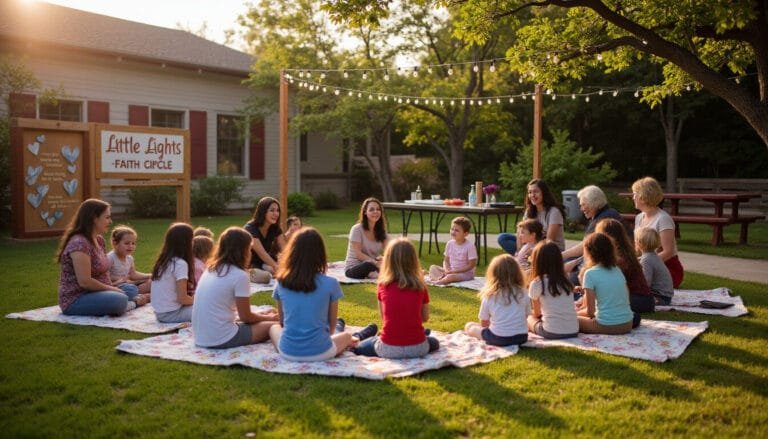
In a world overflowing with distractions and competing messages, the nurturing of a child’s spiritual growth has never been more crucial. Church programs for children serve as vibrant spaces where young hearts can explore their faith, build lasting friendships, and discover the foundational truths that will guide them throughout life. These programs offer more than just lessons; they create a rich tapestry of experiences that intertwine community, mentorship, and biblical wisdom, fostering an environment where children can grow together in faith.
Imagine a bustling Sunday school classroom filled with laughter, creativity, and eager minds, all engaged in learning about love, kindness, and the teachings of Jesus. This is where the magic happens! Through meaningful interactions with mentors — caring adults who model faith in action — children are not only taught spiritual lessons but also learn the importance of connection and support within their community. These relationships shape their understanding of faith, instilling confidence and curiosity as they embark on their own journeys of spiritual development. As we delve deeper into the various church programs designed for children, we’ll uncover how these enriching experiences empower our little ones to flourish both in their personal faith and within the broader tapestry of their church family. Join me as we explore this beautiful journey of growing together in faith!
- Understanding Church Programs for Children
- The Role of Mentorship in Spiritual Development
- Engaging Biblical Teachings
- Interactive Activities that Foster Faith
- Building Friendships Through Church Programs
- Encouraging Parental Involvement
- Measuring the Impact of Church Programs
- Challenges and Solutions for Church Programs
- Embracing Our Journey Together in Faith
Understanding Church Programs for Children
Church programs for children serve as nurturing environments where young hearts can explore their faith, build friendships, and grow spiritually. These programs are designed specifically to meet the developmental needs of children, offering a safe space where they can learn about God’s love in engaging and age-appropriate ways. The purpose of these initiatives goes beyond mere instruction; they aim to cultivate a sense of belonging and community, laying the groundwork for a lifelong journey of faith. By participating in these programs, children not only absorb biblical teachings but also experience mentorship from caring adults who guide them along their spiritual paths.
Among the various types of church programs available, Sunday school and Vacation Bible School (VBS) are two of the most common and beloved options. Sunday school typically takes place weekly, providing a structured time for kids to dive into Bible stories, participate in discussions, and engage in fun activities that reinforce their learning. For instance, a Sunday school class might explore the story of Noah’s Ark through interactive storytelling and arts and crafts, allowing children to visualize and connect with the lesson on trust and obedience to God. On the other hand, VBS is often a week-long summer program filled with themed activities, games, and lessons that capture children’s imaginations while deepening their understanding of faith. It’s a wonderful opportunity for kids to make new friends and strengthen existing bonds in a joyful, spirited environment.
In addition to these traditional programs, many churches offer unique initiatives tailored to specific interests or age groups. For example, some congregations might host music or drama clubs that allow children to express their creativity while learning about worship and service. Others may provide outreach programs where kids can engage in community service projects, helping them understand the importance of compassion and giving back. Each program is an invitation for children to not only learn about their faith but also actively live it out, fostering a sense of responsibility and purpose.
Ultimately, church programs for children are vital in shaping their spiritual identity and understanding of God’s word. By integrating mentorship into these programs, older church members can play a pivotal role in guiding the next generation. This relationship allows children to see faith lived out in real life and creates lasting impressions that can influence their own spiritual journeys for years to come. As we encourage our kids to participate in these enriching experiences, we empower them to grow together in faith, building a strong foundation that will support them throughout their lives.
The Role of Mentorship in Spiritual Development
Mentorship plays a pivotal role in the spiritual development of children within church programs. As young hearts navigate their faith journeys, having a trusted mentor can provide the guidance and support they need to deepen their understanding of biblical teachings. Mentors, often seasoned members of the church community, bring wisdom, experience, and a unique perspective that can illuminate the path of faith for children. They serve not just as teachers but as role models, demonstrating how to live out the principles of love, kindness, and service that are central to Christianity.
Consider the relationship between a young girl named Emma and her mentor, Mrs. Johnson, a retired schoolteacher who has been a part of the church for decades. Each Sunday, Emma looks forward to sitting beside Mrs. Johnson during Sunday school, where they dive into stories from the Bible together. Mrs. Johnson shares not only the lessons but also personal anecdotes of how these teachings have shaped her life. Through this relationship, Emma learns that faith is not just about knowledge but about applying those lessons in daily life. Such connections foster a sense of belonging and reassurance, allowing children to explore their spirituality in a safe and nurturing environment.
Moreover, interactions with older church members can significantly influence children’s perceptions of faith and community. When children see their mentors actively engaging in church activities — whether it’s leading a prayer, organizing charity events, or simply sharing a smile — they begin to understand the importance of faith in action. This dynamic relationship not only enhances their spiritual growth but also instills values of commitment and service. Children like Emma are inspired to emulate these qualities, encouraging them to take ownership of their faith journeys as they grow.
In essence, mentorship within church programs acts as a bridge connecting generations. It nurtures a culture where biblical teachings come alive through lived experiences, creating a tapestry of faith that enriches both mentors and mentees alike. By fostering these meaningful relationships, churches can cultivate a vibrant community where children feel empowered to explore their beliefs and grow in their spiritual lives.
Engaging Biblical Teachings
When it comes to sharing the rich tapestry of biblical stories with children, creativity is key. Church programs for children can transform lessons from ancient texts into vibrant experiences that resonate with young hearts and minds. For instance, instead of merely recounting the story of David and Goliath, why not set up a “Giant Challenge” obstacle course? Children can navigate various activities that symbolize David’s journey, from gathering stones to facing fears — turning the narrative into a hands-on adventure that teaches courage and faith. By immersing kids in the story through interactive activities, we ignite their imaginations and deepen their understanding of the biblical message.
Moreover, age-appropriate materials play a crucial role in enhancing children’s comprehension of spiritual teachings. For younger kids, picture books featuring colorful illustrations can make stories like Noah’s Ark or the parables of Jesus come alive in their minds. As they flip through the pages filled with engaging artwork, they are not only captivated but also able to grasp complex themes in simpler terms. For older children, incorporating discussion guides or multimedia resources can spark meaningful conversations about faith and morality, allowing them to explore deeper questions in an engaging way. This thoughtful selection of materials ensures that each child can connect with the teachings at their level, nurturing their spiritual growth.
In addition to storytelling techniques and tailored resources, encouraging creativity through arts and crafts can further enhance biblical learning. Imagine a craft session where kids create their own “armor of God” using cardboard and craft supplies while discussing Ephesians 6:10-18. This hands-on project allows children to embody the lesson physically while expressing their creativity. Such activities not only reinforce what they learn but also provide opportunities for bonding with peers as they work together to bring their visions to life. By weaving together engaging methods and age-appropriate resources, church programs for children can cultivate a love for Scripture that grows with them throughout their faith journeys.
Interactive Activities that Foster Faith
When it comes to nurturing faith in children, interactive activities play a pivotal role in transforming lessons into memorable experiences. Hands-on projects, such as creating a “Prayer Jar,” allow kids to write down their prayers or the names of friends and family members they wish to pray for. This simple yet profound activity not only encourages children to articulate their thoughts and feelings but also helps them visualize their connection with God and others. By revisiting the jar throughout the week, children can witness the power of prayer in action, reinforcing the idea that faith is an ongoing journey of communication and trust.
Incorporating games into church programs is another fantastic way to foster faith formation among kids. Imagine a lively game of “Bible Charades,” where children act out stories from the Bible while their friends guess which tale they are portraying. This fun twist on traditional storytelling not only enhances their knowledge of scripture but also promotes teamwork and creativity. As children embody characters like Noah or David, they not only learn about biblical truths but also begin to see themselves as part of God’s grand narrative, sparking a deeper interest in their faith journey.
Crafts also serve as powerful tools for reinforcing spiritual lessons. For instance, making a “Fruit of the Spirit” tree can help children understand Galatians 5:22-23 in a tangible way. Using paper leaves, they can write down the fruits they hope to cultivate in their own lives — like love, joy, and kindness — and then attach them to a tree trunk made from cardboard. This visual representation not only makes biblical principles more relatable but also gives children a sense of ownership in their faith formation process. Through these engaging activities, children not only learn about the Bible; they also internalize its teachings, allowing faith to blossom in their hearts.
By integrating hands-on activities into church programs, we create an environment where learning becomes an adventure filled with laughter, creativity, and spiritual growth. These interactive experiences help solidify children’s understanding of faith, making it not just an abstract concept but a vibrant part of their everyday lives. In doing so, we empower the next generation to grow together in faith, equipped with the tools they need to navigate their spiritual journeys with confidence and joy.
Building Friendships Through Church Programs
One of the most beautiful aspects of church programs for children is the way they create opportunities for friendship building. When kids come together in a safe and nurturing environment, they not only learn about faith but also forge connections that can last a lifetime. Whether it’s during Sunday school, vacation Bible school, or special events like family picnics, these gatherings provide a unique platform for children to meet peers who share similar values and beliefs. Imagine a group of kids gathering around to build a giant mural representing their favorite Bible stories; as they collaborate on this creative project, laughter and camaraderie blossom, laying the groundwork for lasting friendships.
Group activities are at the heart of developing teamwork and community spirit among young ones. When children engage in cooperative games, such as relay races or team-building challenges, they learn the importance of communication and collaboration. For instance, consider a scavenger hunt designed around biblical themes — children must work together to find clues that lead them to the next verse or story. In doing so, they not only deepen their understanding of Scripture but also strengthen their bonds with one another. These shared experiences cultivate trust and respect, teaching kids how to support their friends while navigating both fun and challenges.
Moreover, friendships formed in church settings often extend beyond the walls of the sanctuary. Children who participate in church programs for children might find themselves forming study groups or organizing playdates, nurturing their faith and friendships in tandem. As they grow older, these connections can evolve into mentoring relationships where older kids guide younger ones through their spiritual journeys, creating a cycle of support and encouragement. The friendships developed through church programs become a vital part of their lives, influencing how they view community and faith as they transition into adulthood.
Ultimately, the friendships that blossom through church programs contribute significantly to a child’s emotional and spiritual growth. By fostering an atmosphere of love and acceptance, these programs help children understand the value of community — a lesson that will resonate throughout their lives. Encouraging children to participate in group activities not only enriches their spiritual journey but also builds a foundation for lifelong friendships rooted in faith. As parents and church leaders, nurturing these connections should be a priority, ensuring that every child feels included and supported in their quest to grow together in faith.
Encouraging Parental Involvement
Parental involvement in church programs is a vital thread that weaves families into the fabric of spiritual growth and community support. When parents actively engage with youth ministry, they not only model faith for their children but also create a nurturing environment where spiritual conversations can thrive. One effective strategy for parents is to participate in volunteer opportunities within the church, whether it’s helping out during Sunday school or leading a small group. This not only reinforces the lessons being taught but also showcases a commitment to faith that children can emulate. Engaging in these activities together allows families to bond over shared experiences, turning spiritual growth into a family adventure.
Moreover, attending church events as a family can deepen connections and foster a sense of belonging. Think about those vibrant family nights filled with games, food, and laughter while learning about biblical principles. By joining in on such activities, parents demonstrate that faith is not just an individual journey but a collective one. This shared experience cultivates an atmosphere of support and encouragement, where children feel safe to explore their beliefs and ask questions. When families come together to serve, pray, and learn, they create a legacy of faith that extends beyond the church walls.
The benefits of family participation are profound. Children who see their parents engaged in church life are more likely to develop a strong sense of community and belonging. They learn that faith is woven into everyday life, not just reserved for Sunday mornings. Furthermore, when parents share their own faith journeys with their children, it opens the door for meaningful discussions about doubts, struggles, and triumphs. These conversations can transform the way children perceive their faith, encouraging them to embrace it wholeheartedly as they grow.
In essence, parental involvement is a catalyst for creating a supportive environment that nurtures children’s spiritual development. By stepping into roles within youth ministry and participating in church programs together, families can cultivate a rich tapestry of faith that will not only enrich their own lives but also inspire the next generation to walk confidently in their beliefs. So let’s rally together as families, building connections through faith and community — because when we grow together, we flourish together!
Measuring the Impact of Church Programs
As we nurture the spiritual growth of our children through church programs, it becomes essential to assess the impact these experiences have on their faith development. Observing changes in a child’s understanding of biblical teachings or noticing increased enthusiasm for church activities can be telling signs of growth. Parents and educators can engage in conversations with children about what they’ve learned, encouraging them to articulate their thoughts and feelings. This reflection helps children internalize their spiritual experiences, making faith a living part of their daily lives. Additionally, keeping track of participation rates in various programs, like Sunday school or vacation Bible school, can provide valuable insights into how engaging and effective these offerings are.
Real-life testimonials from families involved in church programs often illuminate the profound impact these initiatives have on young lives. For instance, the Rodriguez family shares how their daughter, Sofia, blossomed through her involvement in a local vacation Bible school. Not only did she learn about Jesus’ love through interactive storytelling, but she also formed lasting friendships that encouraged her to return each summer. This connection between faith and community engagement fosters an environment where children feel supported and valued, reinforcing the idea that they are not alone on their spiritual journey.
Moreover, success stories like Sofia’s can inspire other families within the congregation. When parents witness the transformation and joy their children experience through church programs for children, it ignites a desire for involvement — both in their kids’ activities and within the church community as a whole. Sharing these narratives during church services or community gatherings can motivate others to participate and encourage new families to join the congregation, creating a vibrant cycle of faith development and support that enriches everyone involved. As we celebrate these successes, we not only acknowledge the work being done but also inspire continued commitment to nurturing the next generation of believers.
Challenges and Solutions for Church Programs
While church programs for children are vital for nurturing faith and community, they often face challenges that can hinder their effectiveness. One common obstacle is a lack of resources, whether it be financial constraints or insufficient volunteer support. Many churches, especially smaller congregations, may struggle to provide engaging materials or adequately trained leaders who can inspire young hearts. This can lead to programs that feel stale or disconnected from the children’s real-life experiences, ultimately affecting their spiritual growth.
Another challenge is maintaining consistent attendance. Life can be hectic for families, with busy schedules and competing commitments making it difficult for children to regularly participate in church programs. This inconsistency not only disrupts the learning process but can also impact the relationships that children build within their church community. To address this issue, it’s crucial for church leaders and educators to create a welcoming environment that emphasizes the importance of regular attendance while being flexible to accommodate family needs. Offering varied program times or family-oriented events can encourage participation while fostering deeper connections among families.
To enhance the effectiveness of children’s outreach, churches can also tap into technology and social media as a means of engagement. Creating online resources such as virtual lessons, interactive Bible stories, or family devotional guides can provide additional support for parents while making faith more accessible. Moreover, integrating feedback from both children and parents can help church leaders understand the evolving needs of their community. Regular surveys or informal discussions can offer valuable insights into what works and what may need adjustments, ensuring that programs remain relevant and impactful.
Finally, fostering mentorship relationships can significantly enrich children’s experiences in church programs. Encouraging older members of the congregation to take on mentorship roles can provide children with positive role models who are invested in their spiritual journey. By pairing younger kids with mentors for activities, discussions, or even service projects, churches can build strong intergenerational connections that not only enhance learning but also create a supportive community where faith thrives together.
Embracing Our Journey Together in Faith
As we reflect on the vital role that church programs for children play in shaping their spiritual journeys, it’s clear that these initiatives are not just about learning stories from the Bible; they are about building a strong foundation of faith, community, and friendship. Through engaging activities and mentorship, our little ones discover the love of God and the importance of connecting with others in their faith walk. These programs provide them with the tools they need to navigate life’s challenges while fostering a sense of belonging within their church family.
Now more than ever, it is essential for parents, educators, and community members to continue their involvement and support for these enriching programs. Together, we can create an environment where our children feel safe to explore their faith and grow in their understanding of God’s love. Let’s commit to nurturing their spirits and encouraging their curiosity, ensuring that each child knows they are cherished members of our vibrant faith community. Together, we can help them flourish as they grow in faith, united in purpose and love.
Affiliate Disclosure: This post may contain affiliate links. If you purchase through these links, I may earn a small commission at no extra cost to you.
Thank you for supporting Little Lights Bible Stories!