In a world that often feels disconnected, the importance of community in child spirituality shines like a beacon of hope. Children thrive when they are surrounded by loving adults and peers who share their values and beliefs, nurturing their faith in a vibrant tapestry of relationships. Just as a little seed needs rich soil, sunlight, and gentle rain to grow into a strong tree, so too do our young ones need the warmth of community to cultivate their spiritual journeys. By weaving together the threads of love, support, and shared faith, we can create an environment where children not only learn about their beliefs but also experience them deeply and personally.
Faith-based groups serve as the nurturing ground for these connections, offering children a safe space to explore their spirituality alongside their peers. Through small faith groups, children can engage in meaningful conversations, tackle big questions, and discover the beauty of shared experiences. These intimate gatherings foster lasting friendships and encourage accountability, helping our little lights shine brighter as they embark on their faith journeys together. As we delve deeper into the ways we can foster these essential connections, we invite you to explore the transformative power of community in child spirituality. Join us on this heartwarming adventure to nurture faith through the bonds we build!
- Understanding the Role of Community in Spiritual Growth
- Creating Small Faith-Based Groups
- The Buddy System: Fostering One-on-One Connections
- Organizing Community Events for Spiritual Enrichment
- Encouraging Peer Mentorship and Leadership
- Engaging Parents and Families in the Process
- Celebrating Milestones and Achievements Together
- Overcoming Challenges in Building Community
- Nurturing Lasting Connections Through Faith
Understanding the Role of Community in Spiritual Growth
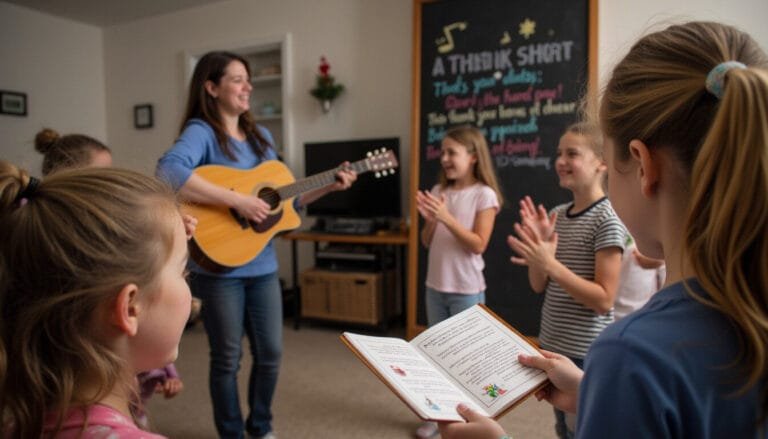
In the heart of every child is a natural curiosity about the world around them, and it is within a supportive community that this curiosity can flourish into a deep understanding of faith. When children are surrounded by family, friends, and mentors who share their beliefs and values, they are more likely to explore their spirituality in an open and engaging way. Think of a church youth group where children gather not just to learn but to share their experiences and questions; this collaborative environment nurtures their understanding, allowing them to see faith as a living, breathing journey rather than a set of rules to follow.
Shared values serve as the foundation for spiritual development, creating a sense of belonging that is essential for children as they navigate their faith journeys. For example, when children participate in community service projects with their peers, they not only learn about compassion and kindness but also witness these values in action. This collective experience fosters a deeper connection to their faith as they see how it can positively impact the lives of others. Furthermore, these shared moments help cement friendships that act as support systems — like buddy systems — where children can lean on each other for encouragement and accountability as they explore their spirituality together.
Creating a supportive environment where children feel safe to ask questions and express doubts is crucial. Imagine hosting a monthly gathering where families come together to discuss faith topics openly, allowing children to voice their thoughts in a nurturing space. This type of community engagement encourages exploration and growth, as children learn that questioning and seeking answers are integral parts of their spiritual journey. By building such an environment, we empower our young ones to embrace their faith with confidence, knowing they are supported by a loving community that shares their values.
As we witness the impact of community on child spirituality, it becomes clear that nurturing connections among families, educators, and faith leaders plays a vital role in shaping our children’s understanding of faith. By fostering environments rich in shared experiences and open dialogue, we help our children grow not only in their beliefs but also in their ability to form meaningful relationships with others on similar paths. Ultimately, it is these connections that light the way for our little ones as they embark on their unique spiritual adventures.
Creating Small Faith-Based Groups
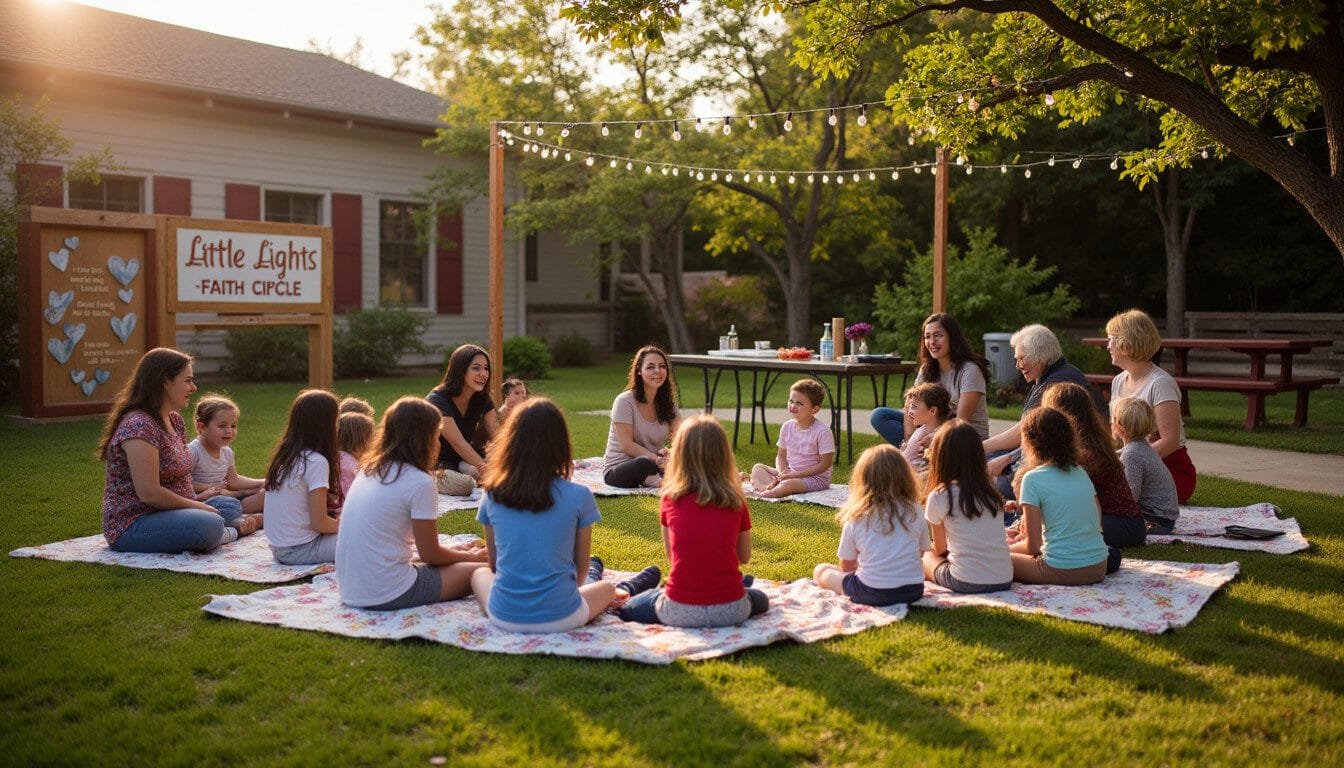
Establishing small faith-based groups within your community is a beautiful way to nurture connections among children while deepening their spiritual growth. Start by gathering interested families and leaders to discuss the vision for the group. This could be as simple as hosting a casual meet-and-greet at a local park or church. Use this time to share ideas, set goals, and create a welcoming atmosphere where everyone feels valued. Once you have a core group, consider defining the group’s purpose, such as exploring specific biblical themes or focusing on community service projects, which can help guide your activities.
When it comes to selecting age-appropriate activities, think about what excites and engages children. Incorporate storytelling sessions that bring biblical lessons to life, perhaps by using interactive methods like skits or crafts. For instance, if you’re exploring the parable of the Good Samaritan, why not create a kindness scavenger hunt around your community? This hands-on approach not only makes the lesson memorable but also encourages peer relationships as children work together to complete challenges. Remember, the key is to keep the activities varied and dynamic, catering to different interests and learning styles so that every child feels included and inspired.
Inclusivity is essential in fostering participation and ensuring that all members feel welcome in your small group. Encourage older kids to mentor younger ones, creating a buddy system that fosters peer relationships and offers support during discussions or activities. You can also invite families from diverse backgrounds to share their own traditions and stories, enriching the group’s experience with varied perspectives. By cultivating an environment where every voice matters, you’ll create a sense of belonging that helps children feel comfortable exploring their faith alongside their friends.
Finally, celebrate each member’s contributions, whether it’s through sharing insights during discussions or participating in group projects. Acknowledging individual strengths helps children build confidence and strengthens the bonds within the group. Together, these elements lay the groundwork for a thriving small faith-based community where young hearts can flourish in their spiritual journeys, supported by friendships that encourage them to explore their beliefs with joy and curiosity.
The Buddy System: Fostering One-on-One Connections
One of the most beautiful aspects of nurturing faith in children is the opportunity for them to connect with one another on a deeper, more personal level. Enter the buddy system — a simple yet powerful way to pair children with faith buddies who can support and uplift each other through their spiritual journeys. This approach not only fosters individual growth but also strengthens the community in child spirituality. When children have a buddy to share their thoughts, questions, and experiences with, they feel less isolated in their exploration of faith and more empowered to grow together.
To facilitate meaningful conversations between buddies, it’s essential to create an environment that encourages openness and trust. Start by setting aside regular times for buddies to meet — this could be during group activities or even outside of formal settings, like at a local park or over a shared snack. Provide conversation starters or guided questions that allow them to explore their beliefs and feelings comfortably. For example, you might ask them to share their favorite Bible story and explain why it resonates with them. These conversations can help deepen their understanding of faith while allowing them to practice active listening and empathy.
Moreover, accountability is a crucial element in the buddy system. Encourage buddies to check in on each other regularly, whether through phone calls, texts, or face-to-face meetings. They can share their goals related to spiritual growth — perhaps committing to attend church together or pray for specific intentions throughout the week. This mutual support not only reinforces their individual faith journeys but also creates a sense of belonging within the larger community. When children feel accountable to someone else, they are often more motivated to stay engaged and continue exploring their spirituality.
As you implement the buddy system, remind everyone that this is a journey filled with ups and downs. Celebrate the small victories together — whether it’s memorizing a verse or helping each other through a challenging time. By doing so, you’ll cultivate an atmosphere where children feel safe to express themselves and grow in their faith alongside their peers. Through these one-on-one connections, you’re not just nurturing individual spirituality; you’re weaving a rich tapestry of community that will inspire generations to come.
Organizing Community Events for Spiritual Enrichment
Bringing children together through faith-themed community events can create powerful opportunities for connection and growth. Imagine a vibrant “Faith and Fun Fair” where families gather for games, crafts, and storytelling that illuminate biblical lessons. Each booth could represent a different parable, allowing children to engage with the stories in hands-on ways. This kind of event not only nurtures children’s understanding of their faith but also fosters friendships among families, creating a supportive network that extends beyond the day itself.
Incorporating service projects into these gatherings can deepen the spiritual experience. Consider organizing a “Blessings in Action” day, where children work side by side to create care packages for local shelters or participate in neighborhood clean-up efforts. These activities teach valuable lessons about compassion and stewardship, reinforcing the importance of living out one’s faith through action. Children learn that faith isn’t just something they hold in their hearts; it’s a way to make a tangible difference in the world around them.
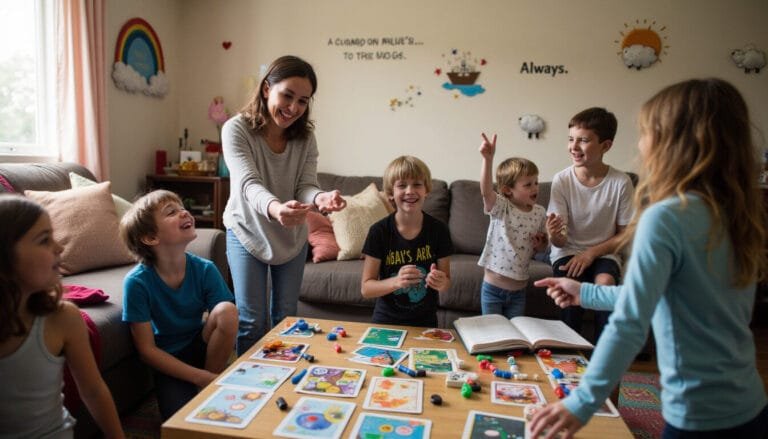
Shared experiences are vital in building lasting relationships within your community. Host a “Family Faith Night” where parents and kids team up for friendly competitions like Bible trivia or team-building challenges based on scripture. Not only do these events provide a platform for laughter and fun, but they also foster an atmosphere of collaboration and encouragement. When families engage in activities that center on their faith, they strengthen their bonds while reinforcing the values they wish to instill in their children.
Finally, remember that the joy of these events can serve as a springboard for ongoing conversations about faith at home. By creating an environment where children feel connected to their peers and supported by their families, you lay the groundwork for a thriving spiritual community. Together, let’s celebrate the journey of nurturing children in faith — through meaningful events that spark joy, growth, and lasting connections!
Encouraging Peer Mentorship and Leadership
In the journey of nurturing faith within our children, the power of peer mentorship shines brightly. Older children can serve as invaluable guides for their younger counterparts, sharing insights from their own spiritual experiences. This friendship in faith not only allows the younger ones to learn, but it also empowers the mentors to reinforce their own beliefs and deepen their understanding of spirituality. Imagine a seventh-grader helping a fourth-grader navigate questions about God or discussing how to pray effectively. These moments create a rich tapestry of community in child spirituality, where wisdom flows freely and connections are woven through shared experiences.
To cultivate leadership skills among older children, consider involving them in planning and facilitating group activities. They could lead Bible study sessions or organize fun, faith-based games that promote teamwork and collaboration. By taking on these roles, they learn to communicate effectively, manage responsibilities, and inspire others — skills that extend beyond the church walls and into their everyday lives. For instance, a young girl could take the lead in creating a service project, encouraging her peers to contribute ideas and work together. This not only fosters a sense of ownership but also instills confidence in their ability to lead others while deepening their faith.
Celebrating individual contributions is essential in reinforcing these bonds and recognizing the growth that occurs within the community. Whether it’s a simple acknowledgment during a gathering or a more formal recognition event, highlighting the efforts of both mentors and mentees cultivates an atmosphere of appreciation. Picture a monthly “Faith Stars” ceremony where children are celebrated for their acts of kindness, leadership, or newfound understanding of scripture. Such recognition fuels enthusiasm and motivates everyone to continue nurturing their friendships in faith, creating a vibrant community that thrives on support and encouragement.
By fostering peer mentorship and leadership, we’re not just helping children grow spiritually; we’re laying the foundation for a strong, interconnected community that nurtures their faith journeys. As they learn from one another, they develop empathy, resilience, and a shared commitment to their beliefs — qualities that will guide them throughout their lives. Let us embrace this beautiful opportunity to cultivate leaders of tomorrow while enriching the spiritual lives of our children today.
Engaging Parents and Families in the Process
When it comes to nurturing a child’s spirituality, family involvement is not just beneficial — it’s essential. Children learn best when they see their parents actively participating in their faith journey. By engaging families, we create a ripple effect of shared values that enhance spiritual understanding and growth. Imagine a Sunday afternoon where families gather to discuss a Bible story, sharing insights and experiences. This not only deepens individual comprehension but also strengthens family bonds, allowing parents and children to navigate their spiritual paths together.
To invite parents into small group settings or events, consider hosting a “Faith Family Night.” This could be an evening filled with games, discussions, and activities centered around a specific theme or scripture. For instance, you might organize a scavenger hunt that encourages families to explore biblical principles while working together. By providing these opportunities, you foster a welcoming environment where parents feel valued and involved in the spiritual development of their children.
Moreover, fostering open communication about faith at home is crucial in reinforcing those shared values. Encourage parents to create a “faith corner” at home, where family members can gather for prayer, reflection, or simply to share what they’re learning about their faith. Suggest weekly topics for discussion, like gratitude or forgiveness, that families can explore together during dinner or bedtime routines. These moments not only enhance understanding but also create lasting memories that reinforce the importance of faith in everyday life.
Ultimately, when families are engaged in the spiritual growth of their children, the entire community benefits. We see stronger connections not just between parents and children but also among families within the group. As we cultivate this supportive environment, we empower our young ones to grow deeper in their faith, knowing they are surrounded by love and encouragement from both their families and their community. Together, we can light the way for the next generation to thrive in their spiritual journeys!
Celebrating Milestones and Achievements Together
Celebrating milestones in a child’s spiritual journey is more than just a marker of achievement; it’s a vibrant affirmation of growth and connection within the community. When families and faith leaders come together to acknowledge these moments, whether it’s a child’s first communion, baptism, or the completion of a Bible study, it strengthens the bonds that tie us all together. These celebrations not only honor individual accomplishments but also reinforce the importance of faith in our lives and the supportive role of community in child spirituality. Each milestone becomes a shared memory, knitting families and friends closer through their collective experience.
To commemorate these significant moments, consider hosting a special ceremony that invites participation from all members of the youth fellowship. For example, a “Faith Journey Celebration” could include heartfelt testimonies from children about what they’ve learned, prayers led by parents and mentors, and even creative expressions like art displays or songs performed by the kids. This inclusive approach not only highlights each child’s journey but also encourages others in the community to reflect on their own faith paths. Remember, the goal is to create an atmosphere of joy and support where every child feels cherished and celebrated.
In addition to ceremonies, organizing seasonal events can provide further opportunities to celebrate spiritual achievements together. Think about hosting an annual “Milestone Fair” where families can set up booths sharing their child’s progress in various faith-related activities throughout the year. From service projects completed to scripture memorization challenges, this fair can be an engaging way to showcase everyone’s achievements while fostering a sense of pride and belonging in the community. Events like these remind everyone that spiritual growth is a communal journey filled with encouragement and celebration.
Ultimately, the act of celebrating milestones serves to deepen relationships and foster a sense of belonging among participants. It creates a nurturing environment where children are motivated to explore their spirituality further, knowing they have a community cheering them on every step of the way. By acknowledging these significant moments together, we cultivate an enduring legacy of faith that resonates through generations, reinforcing the powerful role community plays in shaping child spirituality.
Overcoming Challenges in Building Community
Creating a thriving faith-based community is a beautiful endeavor, yet it often comes with its share of challenges. One of the most common obstacles faced by groups is the initial hesitation of families to commit their time and resources. Life can be hectic, and many parents juggle work, school, and extracurricular activities, making it difficult to prioritize participation in community events. Additionally, some families may feel uncertain about what to expect from a faith group or how their children will fit in with others. These feelings of apprehension can hinder the formation of meaningful connections that cultivate community.
To foster commitment and participation among families, it’s essential to create a welcoming and inclusive atmosphere right from the start. Consider hosting informal gatherings, such as family potlucks or game nights, where everyone can mingle and get to know one another without the pressure of structured activities. This relaxed environment can help ease any initial anxieties and encourage more families to join in. Additionally, offering flexible meeting times or virtual options can accommodate busy schedules, ensuring that more families can participate without feeling overwhelmed.
Resilience and adaptability are vital in navigating the dynamics of group engagement. As leaders, it’s important to remain open to feedback and be willing to adjust activities based on the needs and preferences of your community members. For example, if you notice that younger children are disengaged during traditional lessons, consider incorporating interactive storytelling or hands-on activities that align with their interests. Such adjustments not only make learning more enjoyable but also show families that their input is valued, encouraging them to invest more in the community.
Lastly, celebrating small victories along the way can help bolster enthusiasm and motivation. Whether it’s acknowledging a child’s first prayer or recognizing a family’s consistent attendance, these moments of affirmation remind everyone that they are part of something special. By focusing on cultivating community through encouragement and understanding, we can overcome challenges together and nurture lasting connections that support our children’s spiritual journeys.
Nurturing Lasting Connections Through Faith
As we conclude our journey through the vital role of community in child spirituality, it’s clear that fostering connections is not just beneficial but essential for nurturing the faith of our young ones. Together, we have explored how shared values, supportive environments, and meaningful relationships can cultivate a deeper understanding of spirituality in children. By creating small groups, encouraging peer mentorship, and involving families, we lay a strong foundation for growth and exploration, allowing each child to shine as they navigate their spiritual path.
Now is the time to take action! Let us embrace the call to build these enriching connections within our communities. Whether it’s organizing a faith-themed event, establishing buddy systems, or simply opening the door for conversations about faith at home, every step we take brings us closer to nurturing lasting bonds that will support our children’s spiritual journeys. Remember, you are not alone on this adventure; together, with love and commitment, we can light the way for the next generation of faithful hearts.
Affiliate Disclosure: This post may contain affiliate links. If you purchase through these links, I may earn a small commission at no extra cost to you.
Thank you for supporting Little Lights Bible Stories!