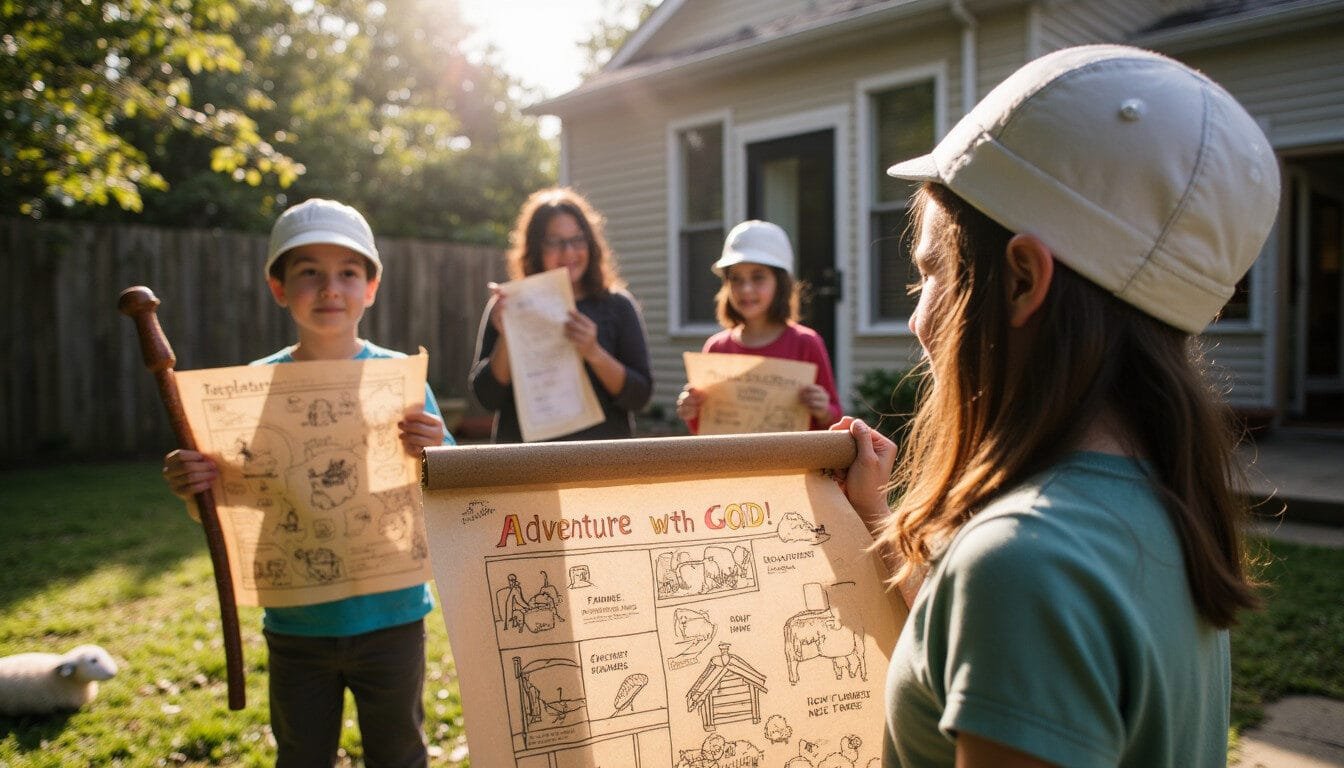
Have you ever wondered how to breathe new life into the timeless tales of the Bible? Imagine transforming these cherished stories into thrilling adventures that ignite the imaginations of young hearts and curious minds. By weaving the rich narratives of faith into interactive learning experiences, we can create a vibrant tapestry of exploration and discovery that captivates children like never before. This journey not only makes spiritual lessons more relatable but also fosters a deeper connection to the teachings that guide our lives.
Engaging children in spiritual learning is not just about relaying facts; it’s about sparking joy, curiosity, and a sense of wonder. When we turn Bible stories into adventures, we invite kids to step into the shoes of heroes and heroines, exploring the landscapes of their faith while uncovering the profound truths embedded within each tale. These Bible stories adventures can cultivate a lasting love for scripture, empowering children to embrace their faith with enthusiasm and creativity. Join me as we embark on this exciting quest to transform ordinary storytelling into extraordinary experiences that will resonate in the hearts of our young learners for years to come!
The Concept of Bible Stories Adventures
Bible stories adventures are an innovative way to bring the timeless narratives of scripture to life, engaging children’s imaginations and hearts through interactive storytelling. This concept goes beyond simply reading or retelling a story; it invites children into the narrative, allowing them to experience the lessons firsthand. By transforming well-known tales — such as David and Goliath or the Good Samaritan — into exciting quests, we create a dynamic environment where children can explore their faith in a fun and meaningful way. Whether it’s embarking on a scavenger hunt to find the “lost sheep” or following a treasure map to discover the miracles of Jesus, these adventures allow young minds to engage actively with biblical truths.
The significance of interactive Bible storytelling cannot be overstated. Children naturally gravitate towards play and exploration, making it essential for educators and parents to tap into this energy when teaching spiritual lessons. When children participate in Bible stories adventures, they move from passive listeners to active participants, which enhances their comprehension and retention of the lessons being taught. For instance, when kids role-play the story of Noah’s Ark by building their own ark out of boxes and pretending to gather animals, they don’t just hear about God’s promise; they feel it, see it, and remember it long after the activity is over.
These adventures also foster critical thinking and collaboration among peers. Imagine a group of children working together during a scavenger hunt that centers around the miracles of Jesus — searching for items that represent key events like the feeding of the 5,000 or walking on water. As they discuss the significance of each miracle while racing to find clues, they deepen their understanding not only of the stories themselves but also of the character of Jesus and His message. This social aspect of learning encourages teamwork and builds friendships, further enriching their spiritual journey.
Incorporating elements of play into Bible storytelling is not just about keeping children entertained; it is a vital educational strategy that speaks to their developmental needs. By creating Bible stories adventures, we open up pathways for exploration, discussion, and personal connection with God’s word, ensuring that these sacred stories resonate in their hearts for years to come. Through imaginative quests and engaging activities, we can ignite a passion for faith that lasts a lifetime.
Creating Scavenger Hunts
Scavenger hunts are a delightful way to transform Bible stories into interactive adventures that captivate young hearts! To design a scavenger hunt based on a specific Bible story, start by selecting the narrative you want to explore — perhaps Noah’s Ark or the story of David and Goliath. Once you have your story in mind, break it down into key elements, characters, and lessons that can be woven into your scavenger hunt. For example, if you choose Noah’s Ark, consider hiding items like toy animals, miniature rainbows, or even a small boat to represent different aspects of the story. Each item can have a corresponding clue or question that connects back to the biblical lesson, prompting kids to think critically about what they’re discovering.
Incorporating key themes and lessons into your scavenger hunt is essential for reinforcing spiritual learning while maintaining the thrill of the adventure. As children search for hidden treasures, encourage them to discuss what each item represents. You might ask them to reflect on God’s promises, such as His covenant with Noah symbolized by the rainbow. Provide fun challenges at each station, like acting out a scene from the story or reciting a verse related to the theme. This not only engages them physically but also deepens their understanding and retention of the lesson.
To make your scavenger hunt even more exciting, consider creating treasure maps that guide participants through the various locations where clues are hidden. These maps can be decorated with symbols and landmarks relevant to the Bible story, such as a sun for “God’s creation” or a star for “the Bethlehem journey.” Visual aids like treasure maps not only add an element of creativity but also help children visualize the journey they are on — just as the characters in their favorite Bible stories did! By intertwining fun and faith through these activities, you’re setting the stage for an unforgettable experience that will resonate long after the adventure ends.
Remember, the heart of a scavenger hunt lies in the joy of discovery and connection. As parents and leaders, you have the beautiful opportunity to foster an environment where children can explore biblical truths in a hands-on way. By crafting thoughtful scavenger hunts that echo the profound lessons of scripture, you’re not just telling a story — you’re inviting children to live it!
Designing Treasure Maps
Creating a treasure map is an exciting way to guide children through the rich narratives found in Bible stories, transforming familiar tales into thrilling adventures. Imagine a colorful map that leads young explorers from one significant landmark to another, each representing a vital moment or lesson from the scripture. To begin crafting your treasure map, start by selecting a particular Bible story — perhaps the journey of Moses parting the Red Sea or the adventures of Jonah and the whale. Once you have your story, think about how you can break it down into key moments that can be represented on the map.
For instance, if you’re focusing on the Exodus story, your treasure map could feature landmarks such as the Burning Bush, the Red Sea, and Mount Sinai. Each location can be marked with symbols — like a flame for the Burning Bush or waves for the Red Sea — that capture the essence of the events and help children visualize the adventure. You might even include small illustrations or stickers at each site to make it visually appealing and engaging. This hands-on approach not only sparks excitement but also deepens comprehension, as children connect physical locations on the map with the lessons learned in each segment of the story.
To enhance the experience further, consider incorporating interactive elements along the way. For example, when children reach a landmark on the map, they could participate in a short activity or challenge related to that part of the story. If they arrive at Mount Sinai, they could engage in a discussion about the Ten Commandments or even create their own “commandments” for living in love and kindness. These activities will keep their minds engaged while reinforcing spiritual lessons through play — a perfect blend of fun and faith that makes Bible stories adventures memorable.
Lastly, don’t forget to encourage creativity! Allow children to personalize their maps by coloring or decorating them with stickers or drawings that resonate with their understanding of the story. This personal touch fosters ownership over their learning journey and makes the experience all the more meaningful. By designing treasure maps that guide children through biblical narratives, you are creating an immersive and impactful way for them to explore their faith while participating in enjoyable children’s activities.
Incorporating Fun Challenges
As we embark on the exciting journey of transforming Bible stories into thrilling adventures, incorporating fun challenges can be a game-changer in deepening children’s understanding and connection to biblical teachings. These faith-based challenges not only bring stories to life but also foster teamwork and cooperation among participants, making the learning experience both interactive and memorable. Imagine your children racing against the clock to solve a mystery or complete a task that echoes the values and lessons found in scripture!
One engaging challenge could be based on the story of David and Goliath. Set up a “Giant’s Challenge” where participants must work together to overcome obstacles that represent Goliath’s strength — such as a series of physical tasks or puzzles to solve. As they navigate through these challenges, children can reflect on themes of courage, faith, and teamwork, just like David did when he faced his giant. Not only does this kind of challenge enhance comprehension, but it also encourages participants to lean on each other for support, showcasing the power of community in overcoming life’s hurdles.
Another fantastic idea is to create a “Good Samaritan Relay,” where teams must complete acts of kindness in creative ways. For instance, each team could gather supplies to assemble care packages for those in need or engage in role-playing scenarios that mimic helping someone in distress. This challenge emphasizes the importance of compassion and service while allowing children to actively practice what they learn. By working together to accomplish these tasks, they will not only build friendships but also gain a deeper appreciation for the spirit of giving.
Ultimately, the key to successful faith-based challenges lies in their ability to connect biblical lessons with hands-on experiences. By encouraging collaboration and infusing excitement into these activities, children will find themselves not just learning about their faith but living it out in tangible ways. Let their imaginations soar as they tackle challenges inspired by scripture, creating memories that will last a lifetime while deepening their understanding of God’s love and teachings!
Crafting Engaging Activities
When it comes to transforming Bible stories into thrilling adventures, hands-on activities are key to reinforcing biblical lessons and keeping children engaged. One delightful way to bring stories to life is through creative crafts that tie into the narrative. For example, after exploring the story of Noah’s Ark, you might set up a craft station where kids can create their own animal pairs using paper plates or recycled materials. This not only provides a tangible connection to the story but also allows children to express their creativity while discussing the significance of obedience and faith.
Games can also play a pivotal role in enhancing Bible stories adventures. Consider organizing a “Jericho March” relay race where teams of children march around an obstacle course, carrying banners that represent the walls of Jericho. When they reach the finish line, they can simulate the trumpets blowing and celebrate their victory, mirroring the biblical tale. Not only does this physical activity get their energy flowing, but it also reinforces the lessons of trust and perseverance in God’s promises, making the story memorable and relatable.
Role-playing is another dynamic approach to immersing children in biblical narratives. After reading about David and Goliath, invite kids to take on different roles — David, Goliath, and even the Israelite army — as they act out the confrontation. This interactive experience encourages them to step into the shoes of these characters, fostering empathy and understanding of their struggles and triumphs. Through role-playing, children can explore themes of courage, faith, and God’s strength in challenging times, bringing depth to their spiritual learning.
By incorporating crafts, games, and role-playing into your Bible stories adventures, you create an environment that not only entertains but also educates. These engaging activities allow children to connect with biblical lessons on a deeper level, ensuring that the truths they learn resonate long after the adventure concludes. So gather your supplies, unleash your creativity, and watch as young hearts discover the joy of faith through thrilling exploration!
Encouraging Reflection and Discussion
After embarking on an adventurous journey through Bible stories, it’s crucial to gather the young explorers for a debriefing session. This time of reflection allows children to process their experiences and solidify their understanding of the lessons they’ve just encountered. Engaging in discussion not only reinforces what they learned but also helps them connect those biblical truths to their everyday lives. By creating a space where they can share their thoughts, insights, and feelings, we cultivate an environment that promotes youth engagement and deepens their spiritual growth.
To facilitate this reflective discussion, consider asking open-ended questions that encourage deeper thinking. For example, after a scavenger hunt based on the story of David and Goliath, you might ask, “What was your biggest challenge during the hunt, and how did you overcome it?” This question not only relates to the story but also allows children to draw parallels between their own lives and David’s courage. Additionally, you could inquire, “How can we show bravery in our own lives like David did?” Such questions help them internalize the story’s message while fostering personal connections to their faith.
Another effective approach is to encourage group sharing where children can articulate what stood out to them during the adventure. Perhaps one child felt inspired by the teamwork displayed during a treasure map quest, while another may have been touched by the kindness shown in helping a friend find a hidden clue. Sharing these insights not only reinforces the biblical themes but also builds community among peers as they learn from each other’s perspectives. As leaders or parents, guiding this dialogue with warmth and curiosity invites a richer understanding and appreciation of the stories’ teachings.
Incorporating reflection and discussion as a vital part of your adventure not only enhances comprehension but also lays the groundwork for ongoing conversations about faith. The beauty of these discussions is that they can be tailored to fit various age groups, ensuring that each child feels heard and valued. As they share their thoughts and feelings, you’re nurturing a deeper connection to scripture that will resonate long after the adventure has ended — helping them grow into thoughtful, engaged individuals in their spiritual journeys.
Adapting Adventures for Different Age Groups
When it comes to transforming Bible stories into thrilling adventures, one size certainly does not fit all. Each age group has its own unique ways of learning and engaging with material, so it’s essential to adapt your Bible stories adventures accordingly. For younger children, ages 4-7, hands-on activities like puppet shows or interactive storytelling can captivate their attention. Imagine a lively reenactment of Noah’s Ark, where little ones use animal puppets to act out the story. This not only makes the narrative come alive but also helps them remember key lessons through play.
As children grow older, their interests and comprehension levels change, so incorporating more complex elements is vital. For tweens, ages 8-12, consider using creative teaching methods such as scavenger hunts that require critical thinking and problem-solving skills. For instance, you could set up clues around your church or home that lead them through the story of David and Goliath, encouraging teamwork while they decipher riddles based on biblical themes. This age group thrives on collaboration and challenges, making the adventure both educational and engaging.
For teenagers, aged 13 and up, you can delve deeper into discussions that challenge their beliefs and encourage them to think critically about the stories. An adventure could include a role-playing scenario where teens discuss how they would respond in situations faced by biblical figures, like Esther or Daniel. This not only makes the stories relatable but also fosters personal connections to their faith. Incorporating multimedia elements like video clips or music can further enhance their experience, making the adventure feel relevant in today’s world.
No matter the age group, maintaining engagement is key. Tailoring your approach to fit different developmental stages not only enriches their understanding of scripture but also makes learning fun and memorable. By being mindful of their interests and abilities, you can create Bible stories adventures that resonate deeply, leaving a lasting impact on their spiritual journey.
Resources for Bible Stories Adventures
As you embark on the exciting journey of transforming Bible stories into thrilling adventures, having the right resources at your fingertips can make all the difference. Begin by gathering a variety of materials that will inspire creativity and engagement. For instance, colorful construction paper, markers, and craft supplies can be used to create visual aids like storyboards or character masks. These hands-on tools not only enhance storytelling but also foster family bonding as everyone gets involved in the preparation process. Consider investing in story kits that come with illustrated Bibles or thematic activities, which can serve as a foundation for your adventures.
In today’s digital age, online resources are abundant and can be invaluable for educators and parents alike. Websites like Ministry-To-Children or Illustrated Ministry offer downloadable lesson plans, crafts, and activity guides tailored to specific Bible stories. YouTube channels dedicated to children’s ministry often feature engaging skits or animated retellings that can bring stories to life in a dynamic way. Additionally, social media platforms like Pinterest are treasure troves for creative ideas, where you can find everything from scavenger hunt templates to interactive games that complement biblical teachings.
Books are another fantastic resource for enriching your Bible adventure experience. Look for titles that focus on interactive storytelling, such as “The Jesus Storybook Bible” by Sally Lloyd-Jones or “The Action Bible” by Sergio Cariello. These books not only present scripture in an engaging format but also come with accompanying activities that encourage children to delve deeper into their faith. Community support is also essential; consider joining local church groups or online forums where parents and leaders share their experiences and tips. Connecting with others who share your passion for engaging children in spiritual learning can provide encouragement and fresh ideas.
Finally, don’t underestimate the power of collaboration! Involve families and church volunteers in planning these adventures. By pooling your resources and talents, you can create a richer experience that not only teaches biblical truths but also strengthens relationships within your community. Remember, the ultimate goal is to make learning about faith a fun and memorable journey, one that leaves lasting impressions on young hearts and minds. So gather your materials, tap into online inspiration, and reach out to fellow believers as you embark on this thrilling adventure together!
Embrace the Adventure of Faith
As we journey through the vibrant world of Bible stories adventures, we uncover a treasure trove of benefits that not only captivate young hearts but also deepen their understanding of faith. Transforming these timeless tales into thrilling experiences ignites curiosity, fosters teamwork, and creates lasting memories that connect children to the core values of love, courage, and hope found within scripture. By engaging in interactive storytelling, we pave the way for children to grasp spiritual truths in a meaningful way, ensuring they carry these lessons with them throughout their lives.
Now is the time for parents, children’s ministry leaders, and educators to take these ideas and breathe life into them within their communities. Whether through crafting scavenger hunts, designing treasure maps, or incorporating fun challenges, every adventure is an opportunity to weave faith into the fabric of everyday life. Let us inspire our young ones to embark on these exciting journeys, guiding them to discover the richness of God’s word while nurturing their imaginations and spirits. Together, we can transform Bible stories into unforgettable adventures that light the path of faith for generations to come!
Affiliate Disclosure: This post may contain affiliate links. If you purchase through these links, I may earn a small commission at no extra cost to you.
Thank you for supporting Little Lights Bible Stories!